Topic guide · 11 guides
Self-Driving Cars: Levels, Technology and the Players
How self-driving cars work, the SAE autonomy levels 0 to 5, the AI and sensors behind them, and where Waymo, Tesla and Mercedes stand today.
Autonomous driving is the most hyped and most misunderstood corner of the car world. This hub explains how it actually works, from the SAE levels to the AI, sensors and chips behind the wheel, and sorts the real progress from the marketing.
Self-driving guides in this topic
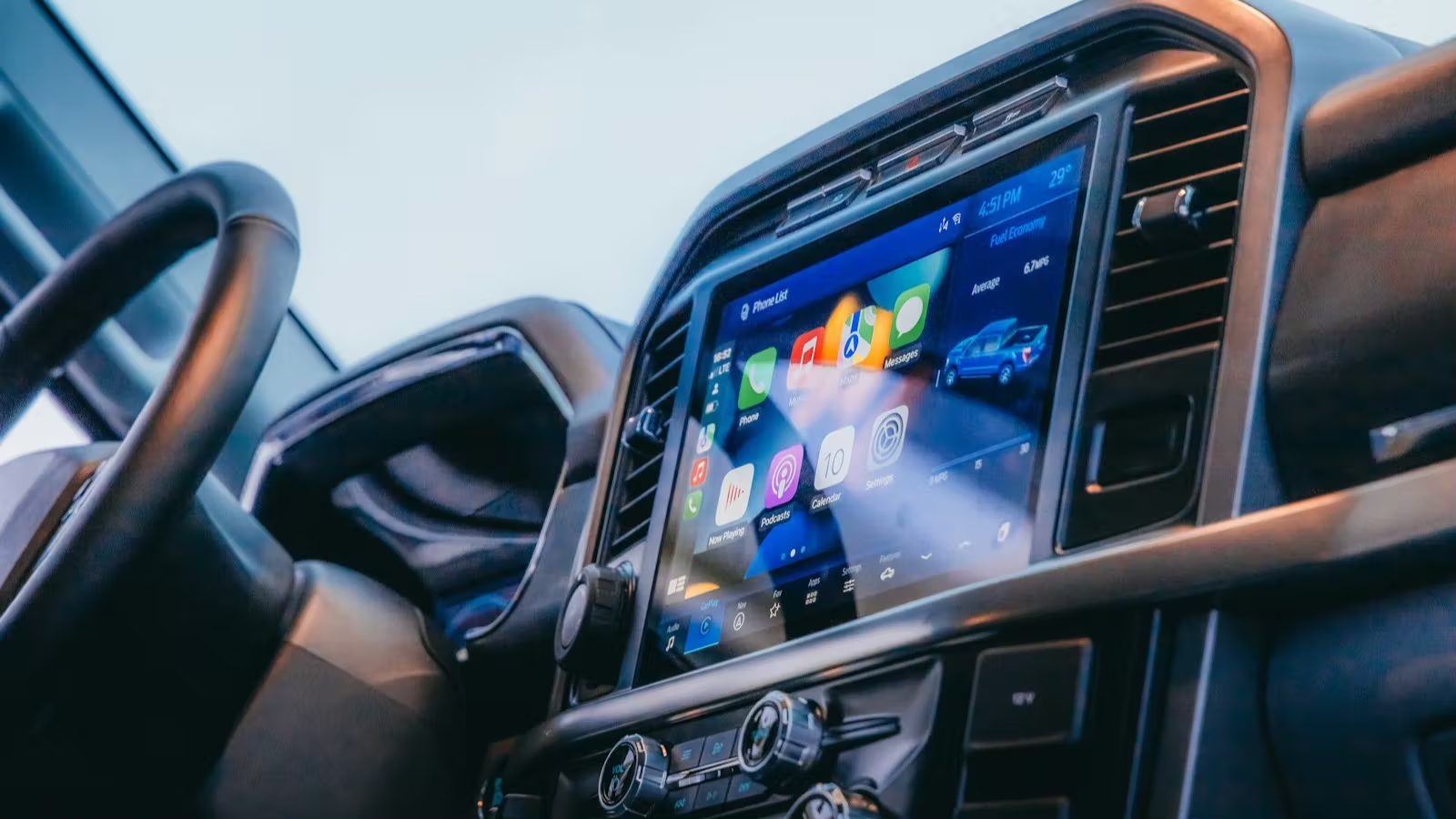
Tesla Robotaxi vs Waymo: Who's Winning in 2026?
Waymo has passed 20 million fully autonomous rides while Tesla pursues a smaller camera-based robotaxi deployment. Compare the systems and evidence. Read guide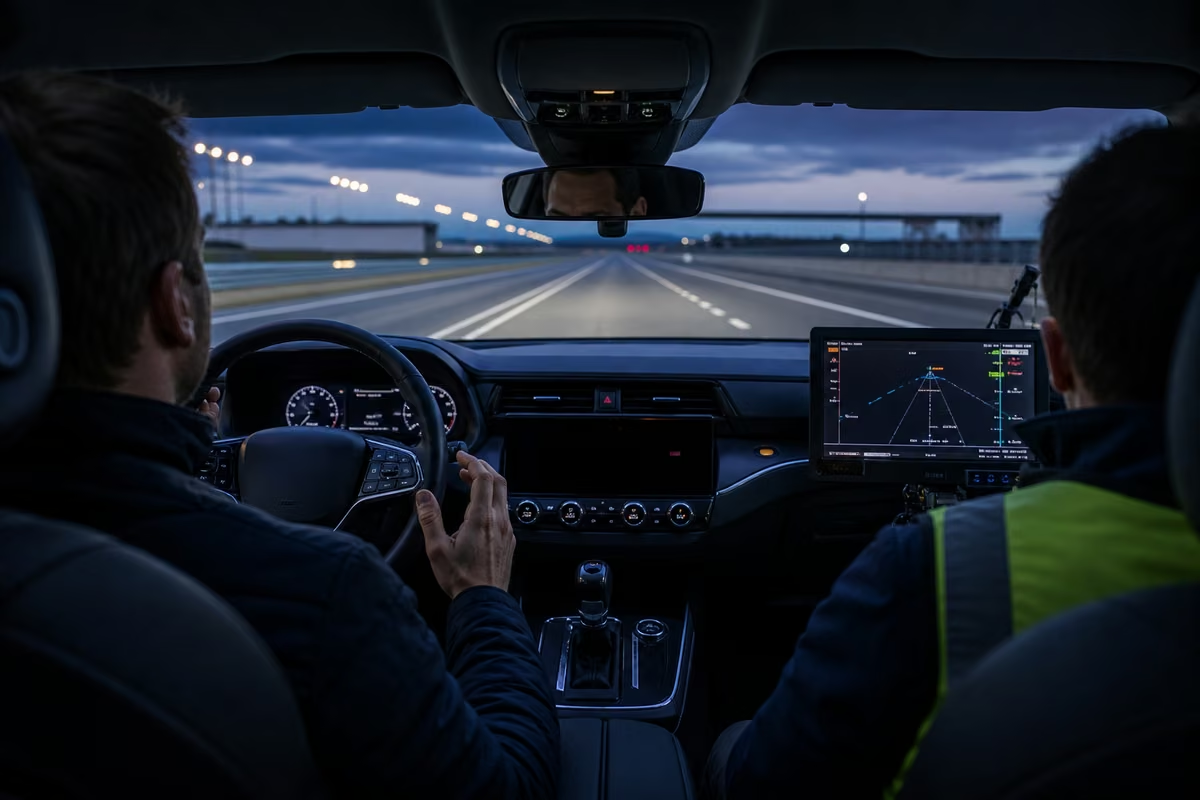
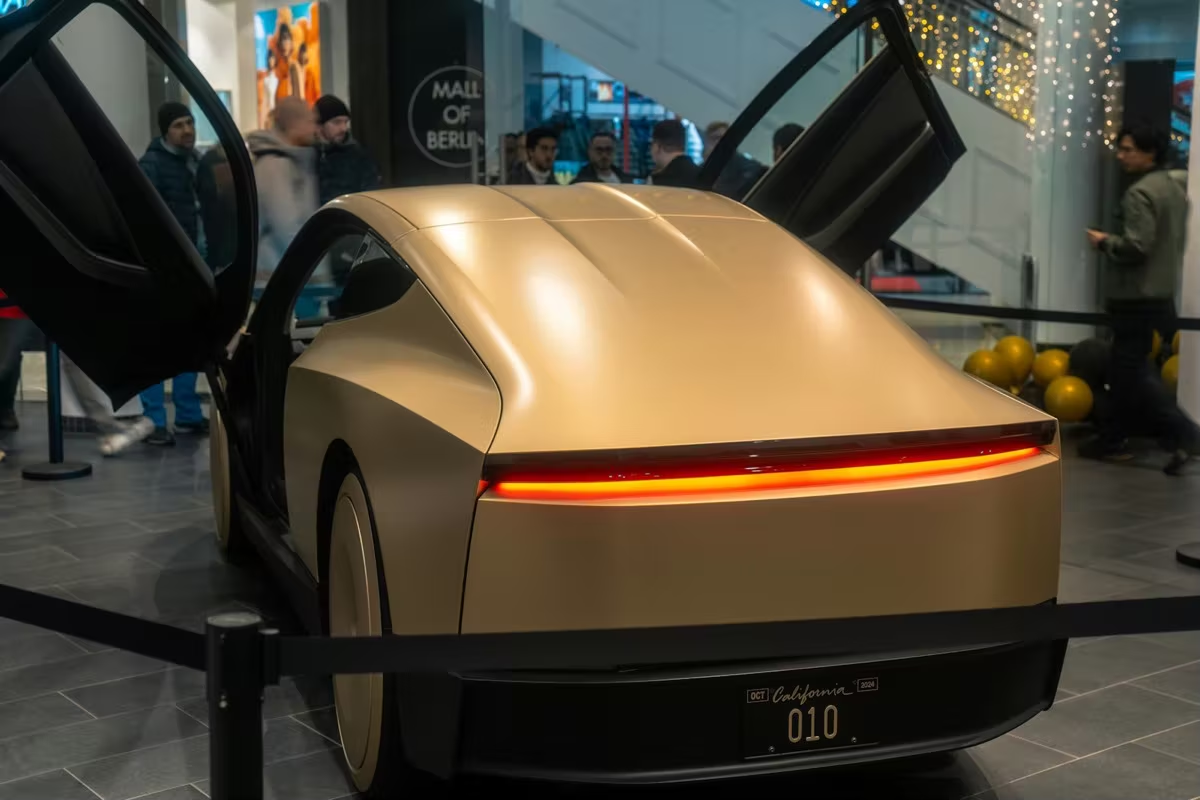
Level 2 vs Level 3: Who Drives?
Who watches the road, who handles fallback and why responsibility matters more than a product name.Read guide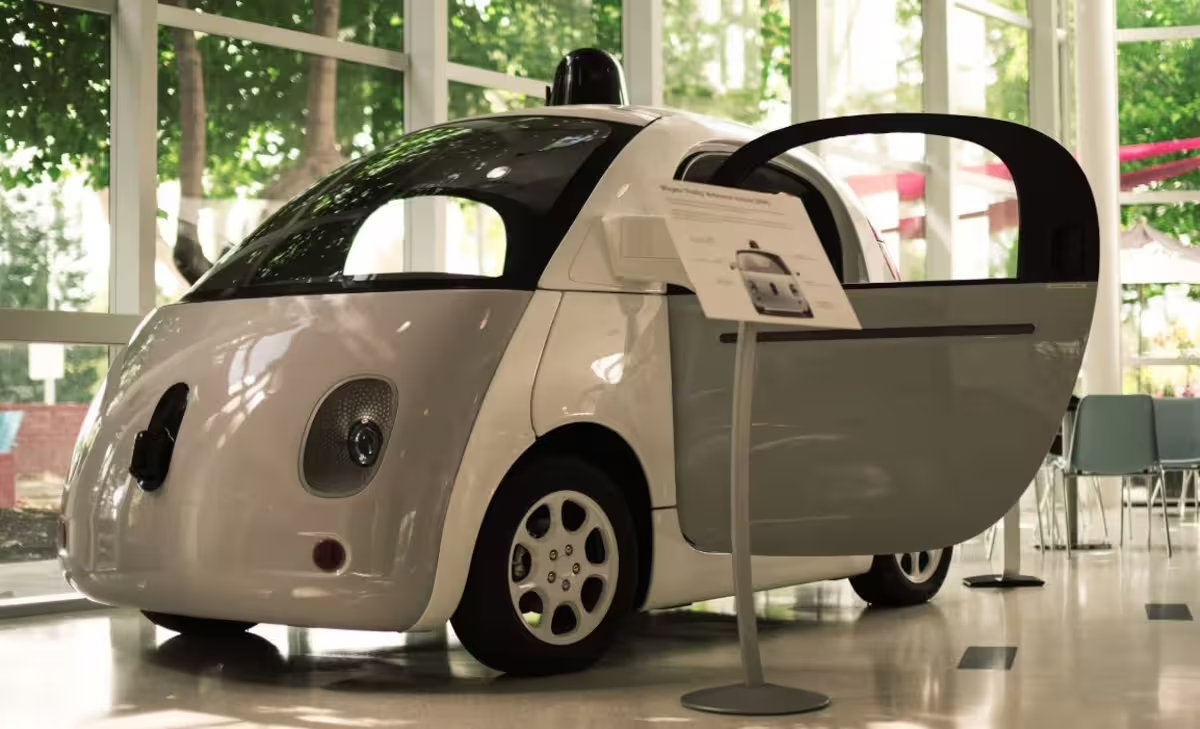
Waymo: Are Robotaxis the Next Big Thing?
Waymo's driverless robotaxis are already on public roads. How Waymo's self-driving cars work, where they operate, and whether they are the future. Read guide
AI in Your Car: What It Actually Does in 2026
What AI really does in a 2026 car, from the ChatGPT and Gemini assistants to the quiet software that saves you range and charging time. Read guide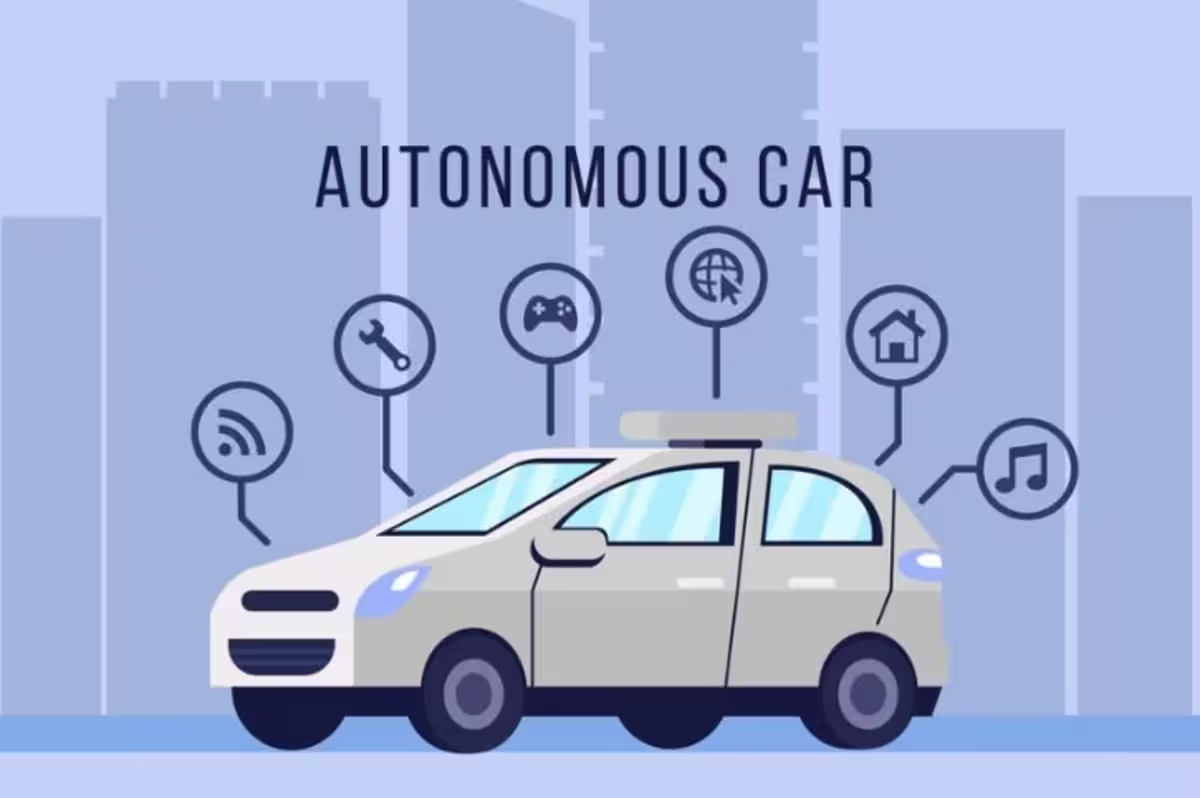
Autonomous Driving Levels 0 to 5 Explained (SAE)
The SAE autonomous driving levels 0 to 5, explained simply. What each level of self-driving really means, from driver assistance to full automation. Read guide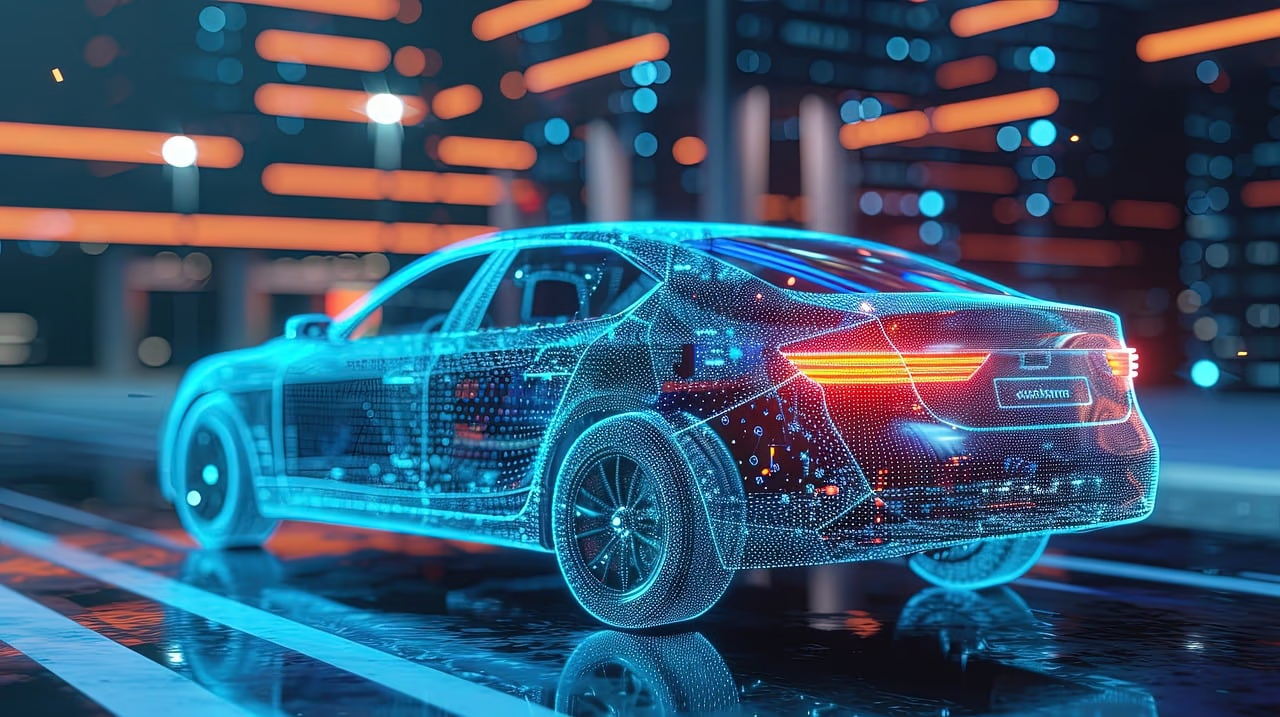
AI in Autonomous Cars: How Self-Driving AI Works
How does AI enable self-driving cars? The role of machine learning, computer vision and neural networks in autonomous driving, explained simply. Read guide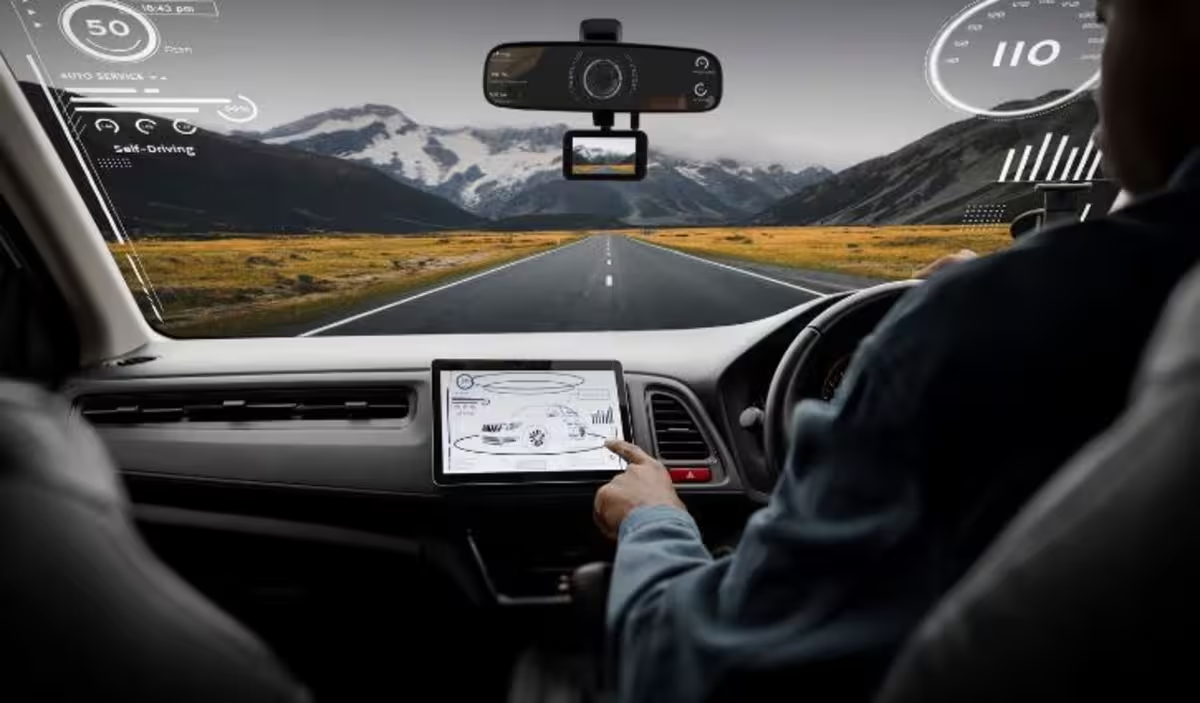
Tesla FSD vs Mercedes Drive Pilot: Who Leads?
Tesla Full Self-Driving vs Mercedes Drive Pilot: how the two autonomous driving systems compare, what each can really do, and who is ahead. Read guide
How 5G Powers Self-Driving Electric Cars
How 5G connectivity helps autonomous electric vehicles talk to each other and the road. The role of low latency and V2X in self-driving cars. Read guide
Nvidia in Cars: From GPUs to Self-Driving Brains
How Nvidia went from gaming GPUs to powering autonomous cars. Nvidia DRIVE, its automotive chips, and why it matters for self-driving vehicles. Read guide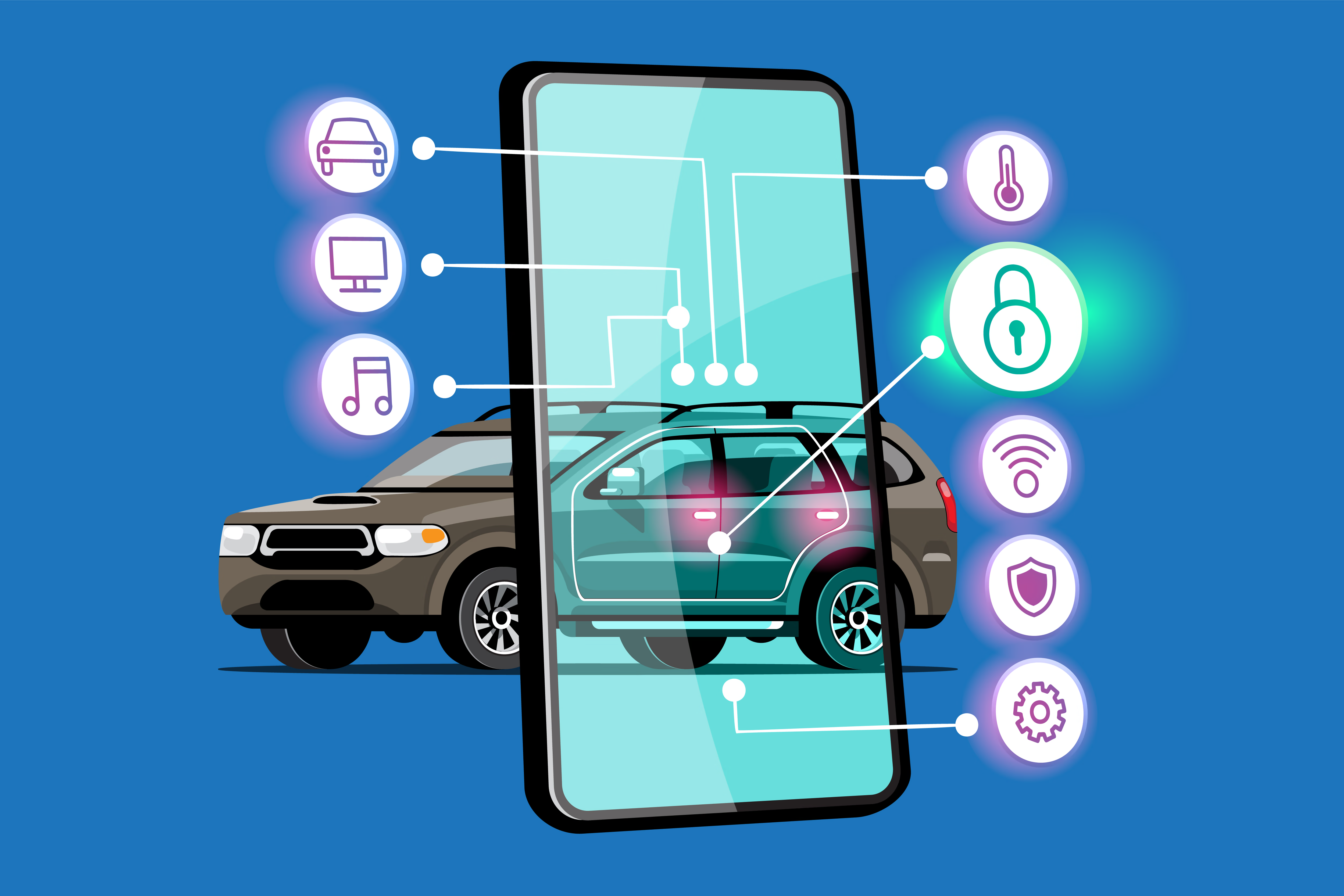
Software-Defined Vehicles (SDV): What They Are
What is a software-defined vehicle (SDV)? Why cars are becoming computers on wheels, how over-the-air updates work, and why carmakers are racing to it. Read guide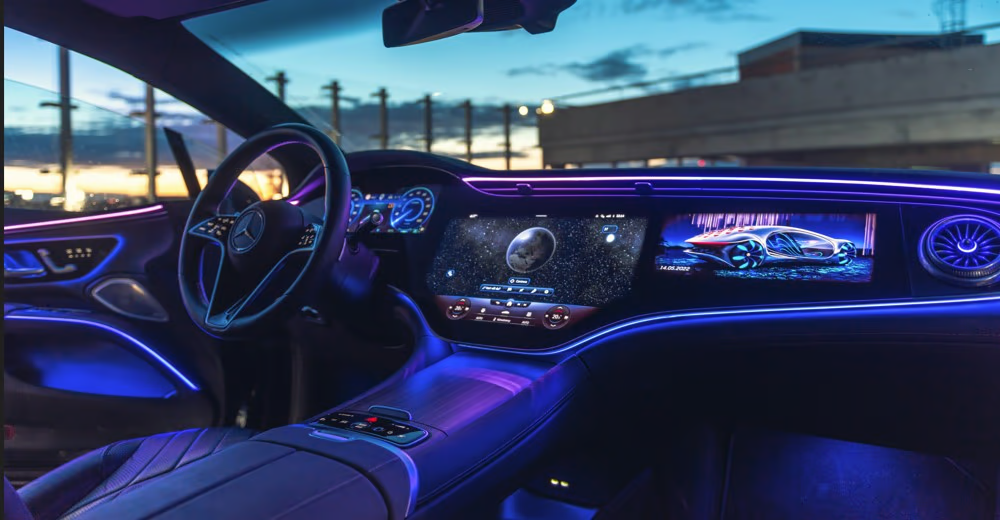
Why Carmakers Are Reinventing Car Electronics (E/E)
Why automakers are pouring billions into software and E/E architecture. How zonal computing and software-defined cars are reshaping the industry. Read guideThe essentials
The levels of autonomy, and the tech behind them
It starts with the language. Our guide to autonomy levels 0 to 5 is the place to begin, then see how AI actually drives a car, the role of Nvidia's chips, and how 5G adds awareness beyond the sensors.
Who leads today
Different companies take different routes. Waymo runs genuine driverless robotaxis, while Mercedes and Tesla chase autonomy from opposite ends. Underneath it all sits the software-defined vehicle and the new car electronics that make it possible.
Frequently asked questions
What are the levels of self-driving?
The SAE scale runs from Level 0 (no automation) to Level 5 (drives anywhere with no human). Levels 1 and 2 assist, Level 3 drives in limited conditions, and Level 4 is fully driverless within a mapped area.
Can you buy a fully self-driving car?
No. Most cars on sale offer Level 2 assistance and a few luxury models offer limited Level 3. True driverless Level 4 exists only in robotaxis like Waymo, not in cars you can buy.
Is Tesla Full Self-Driving actually self-driving?
No. Despite the name it is a Level 2 driver-assistance system that needs an attentive driver ready to take over. It is capable on many roads but not legally or technically autonomous.
Keep exploring