Topic guide · 11 guides
EV Batteries: How They Work, Who Makes Them, How Long They Last
How EV batteries work, who makes them (CATL, BYD, LG), how long they last, and what's next with solid-state. Your hub for EV battery guides.
The battery is the heart of an electric car, its most expensive part and the source of most buyer anxiety. This hub explains how long they really last, who builds them, the LFP-versus-nickel divide, and the solid-state tech that could change everything.
Battery guides in this topic

Why EVs Lose Range in Winter (and How to Get It Back)
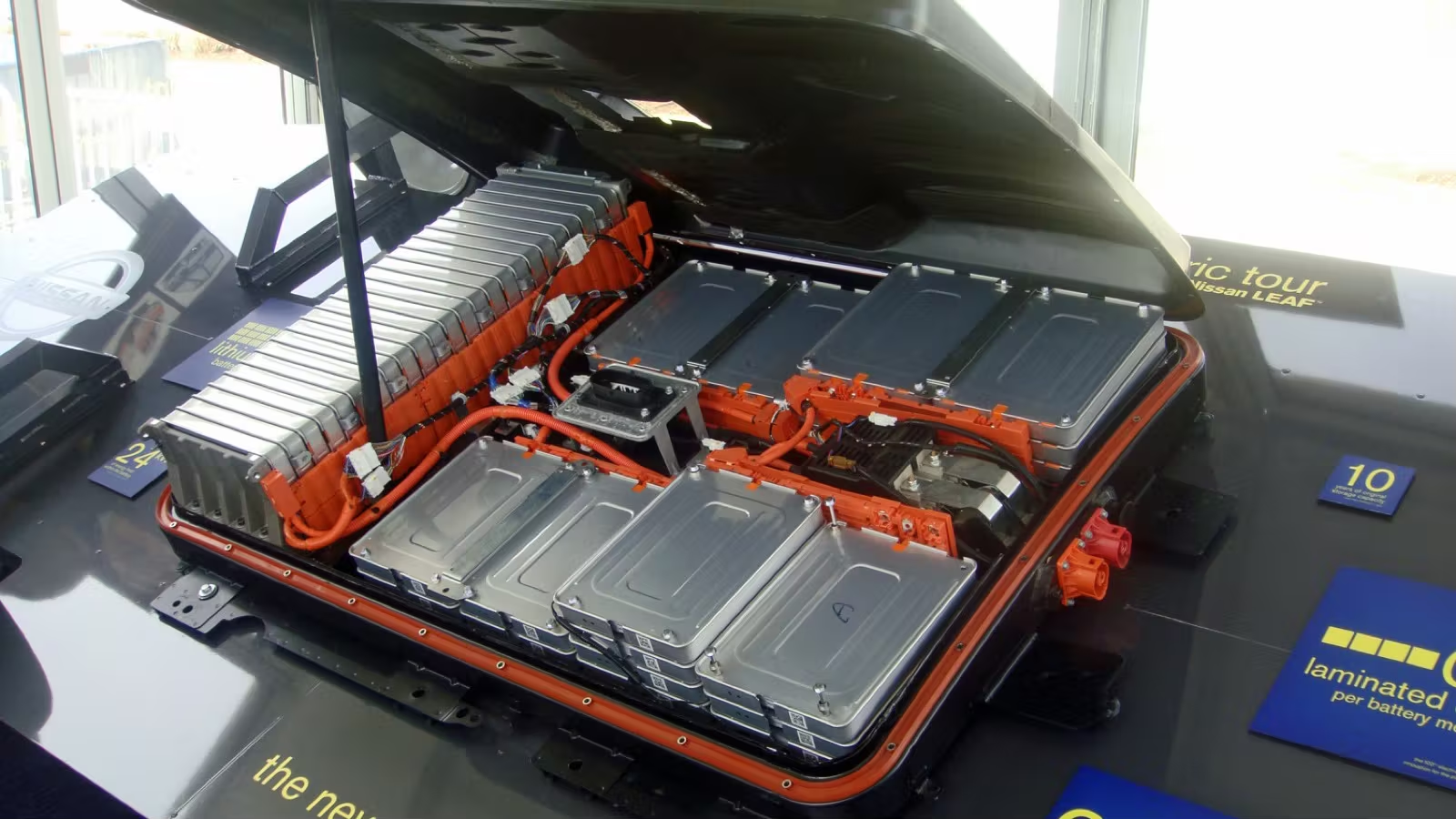
EVs lose 20-30% of range in the cold, up to 50% in a deep freeze. Why it happens, which cars cope best, and how to win the miles back. Read guide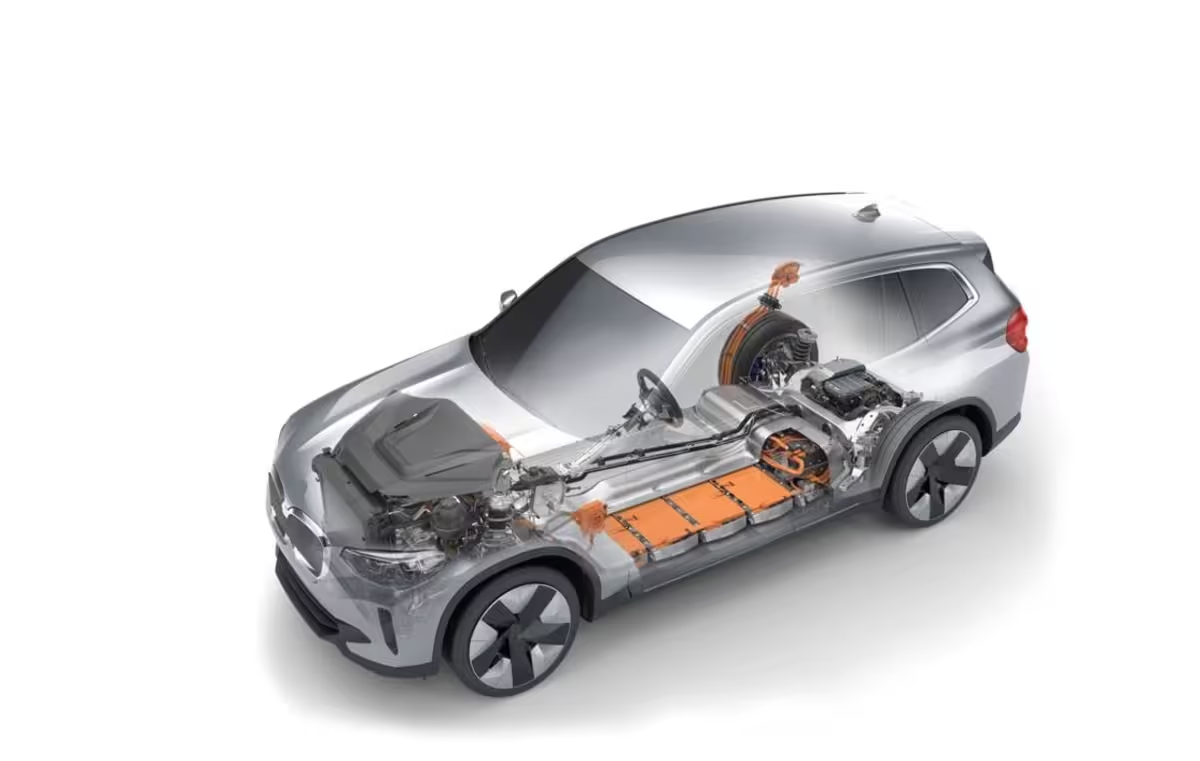
EV Battery Makers: CATL, BYD, LG and Samsung
The biggest EV battery manufacturers compared: CATL, BYD, LG Energy Solution and Samsung SDI, their market share, technology and who leads the race. Read guide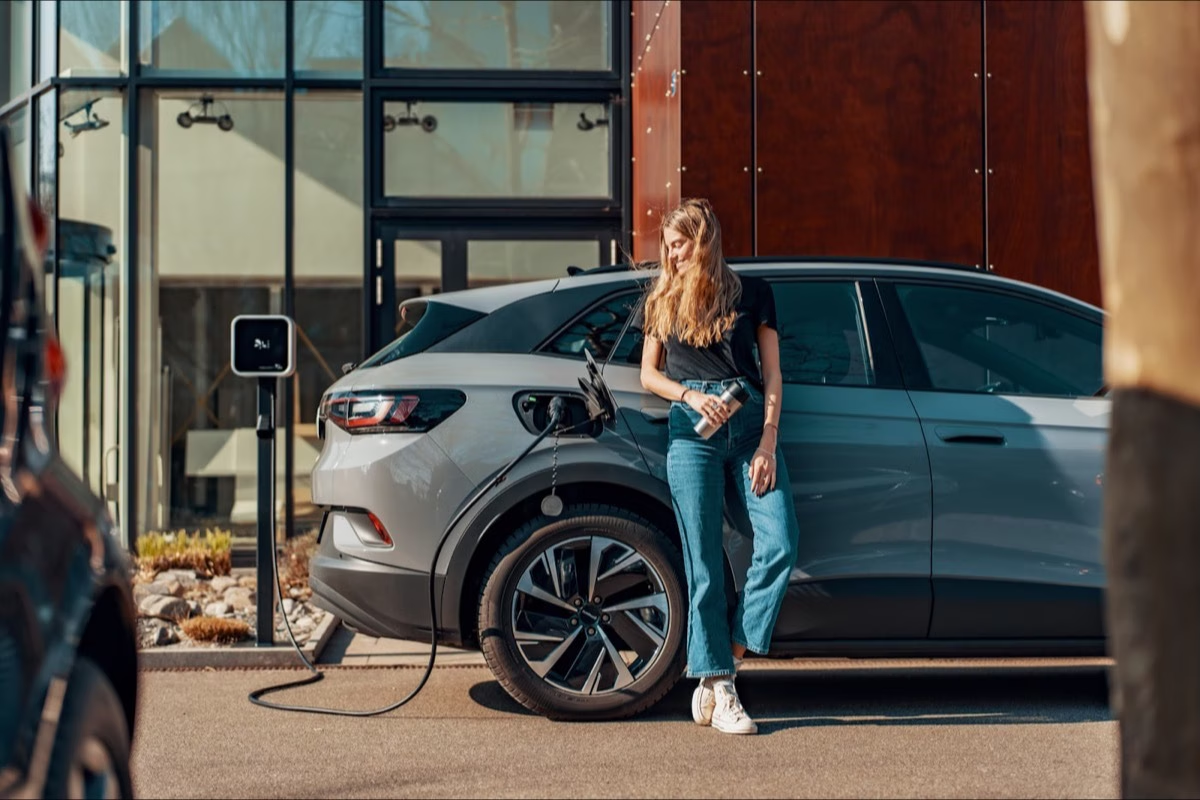
How Long Do EV Batteries Last? Lifespan and Cost
How long do electric car batteries last? Real degradation data, lifespan, warranties, replacement cost, and simple habits to make your EV battery last longer. Read guide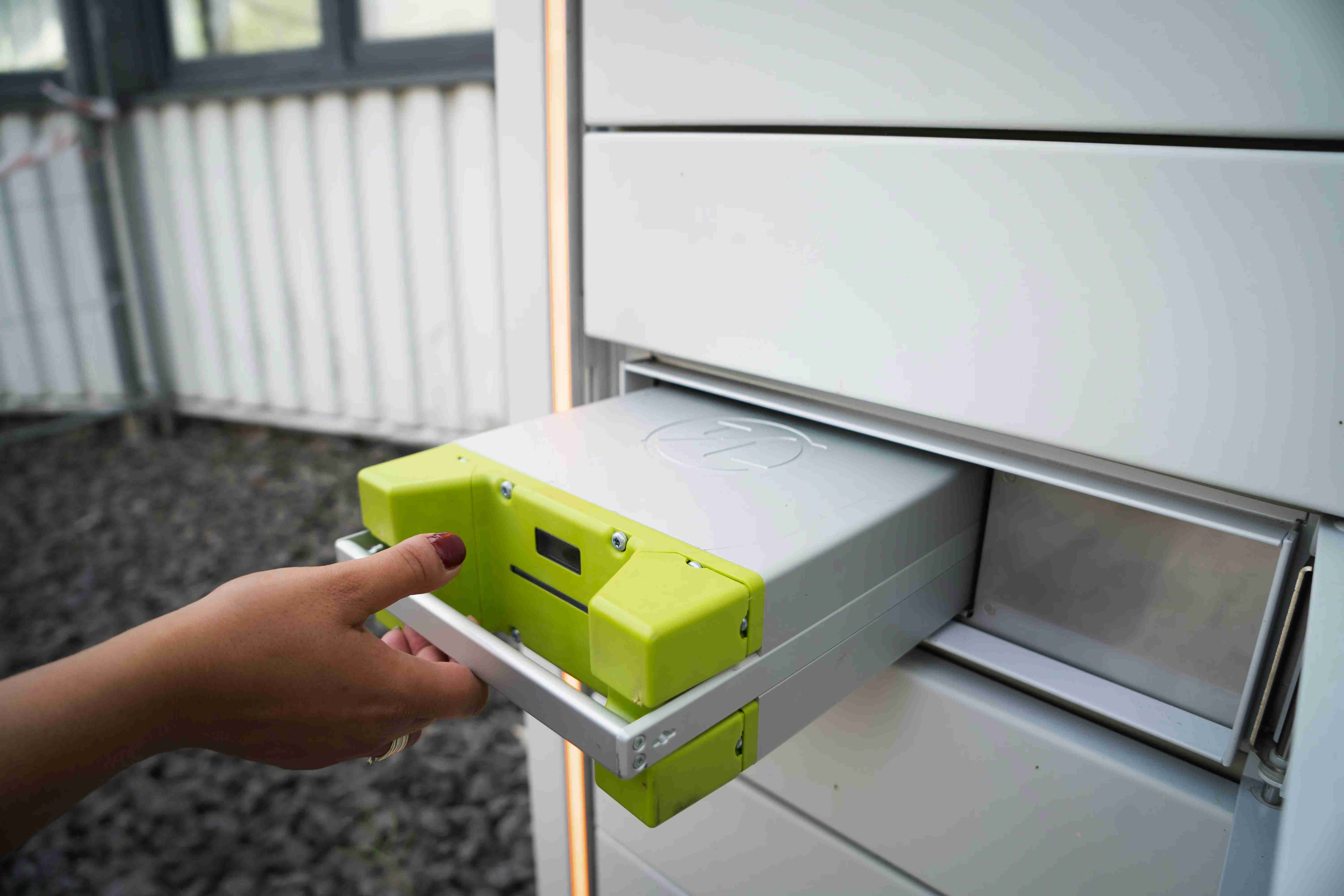
Solid-State EV Batteries: How They Work and When
Solid-state batteries promise longer range, faster charging and more safety. How they work, who is building them, and when they reach electric cars. Read guide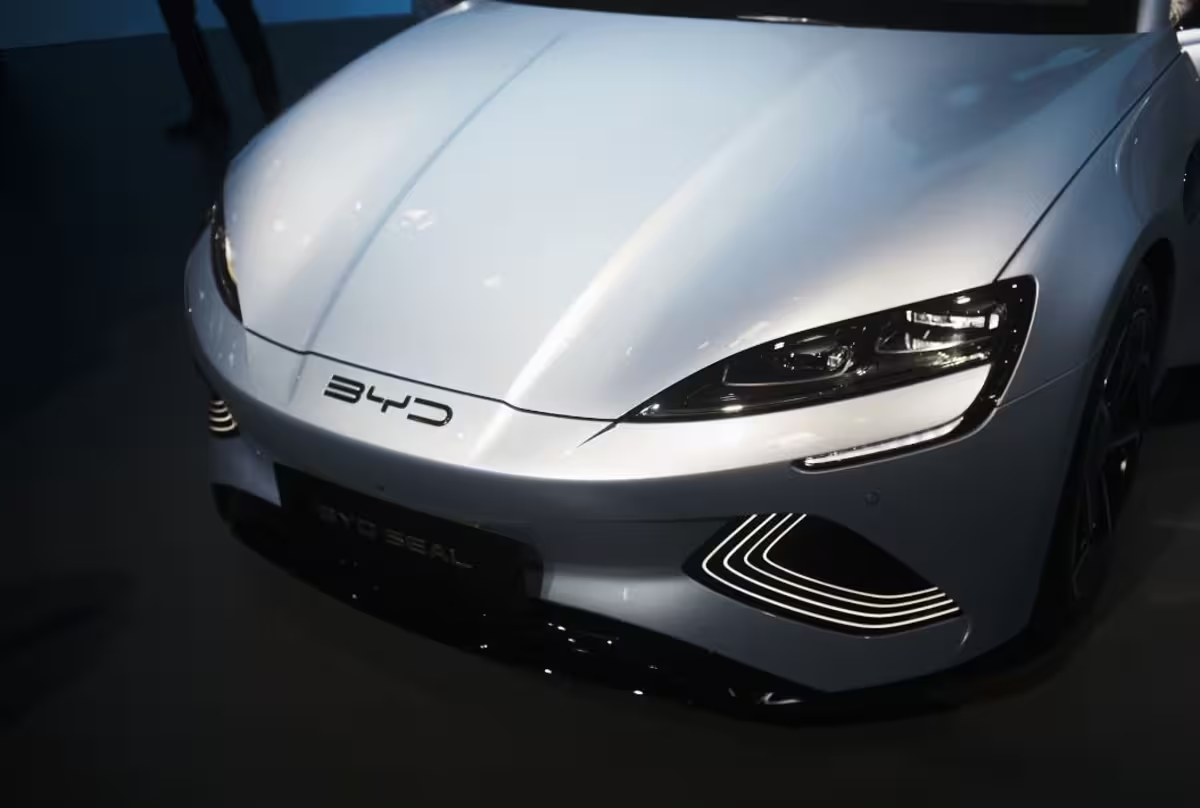
BYD Explained: The EV Maker Beating Tesla and VW
A complete guide to BYD: its Blade Battery, cars, prices and global expansion, and how the Chinese brand overtook Tesla and VW in EV sales. Read guide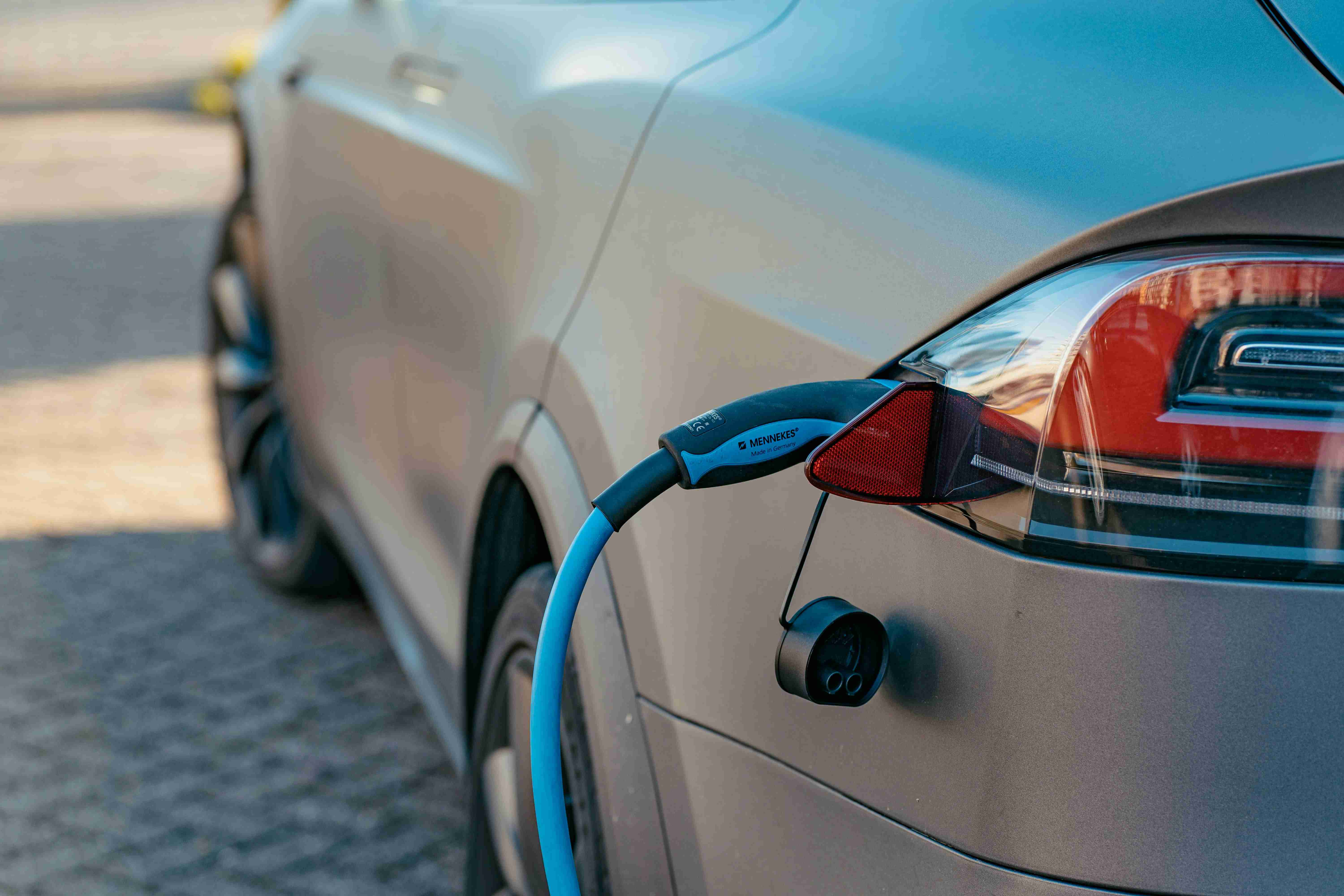
How Far Can an Electric Car Go? Real EV Range (2026)
Is EV range anxiety still justified? How far electric cars really go, why the fear is fading, and where charging still needs to improve. Read guide
The Most Sustainable Car Manufacturers, Ranked
Which carmaker is really the most sustainable? How major automakers compare on emissions, EV plans and green manufacturing, ranked and explained. Read guide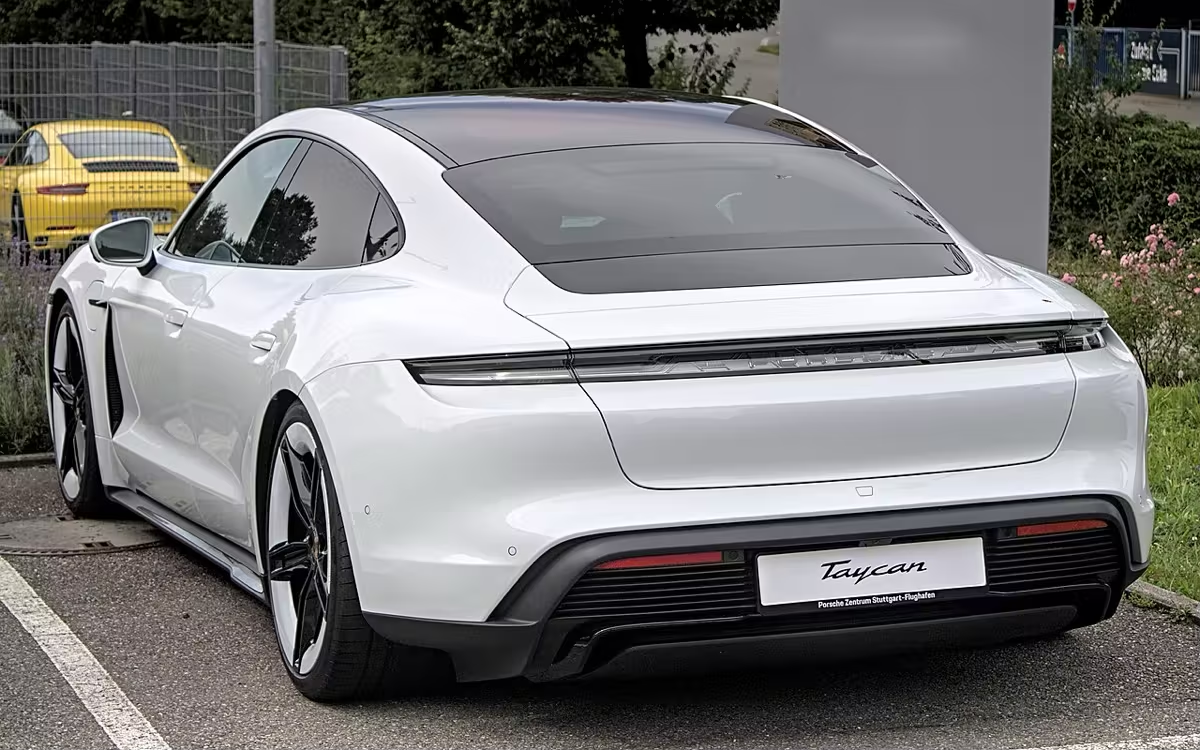
800V EV Charging Explained: Why Voltage Matters
What 800-volt EV architecture really does: faster charging, thinner cables and less heat. Why the charging curve, not peak kW, is what matters most. Read guide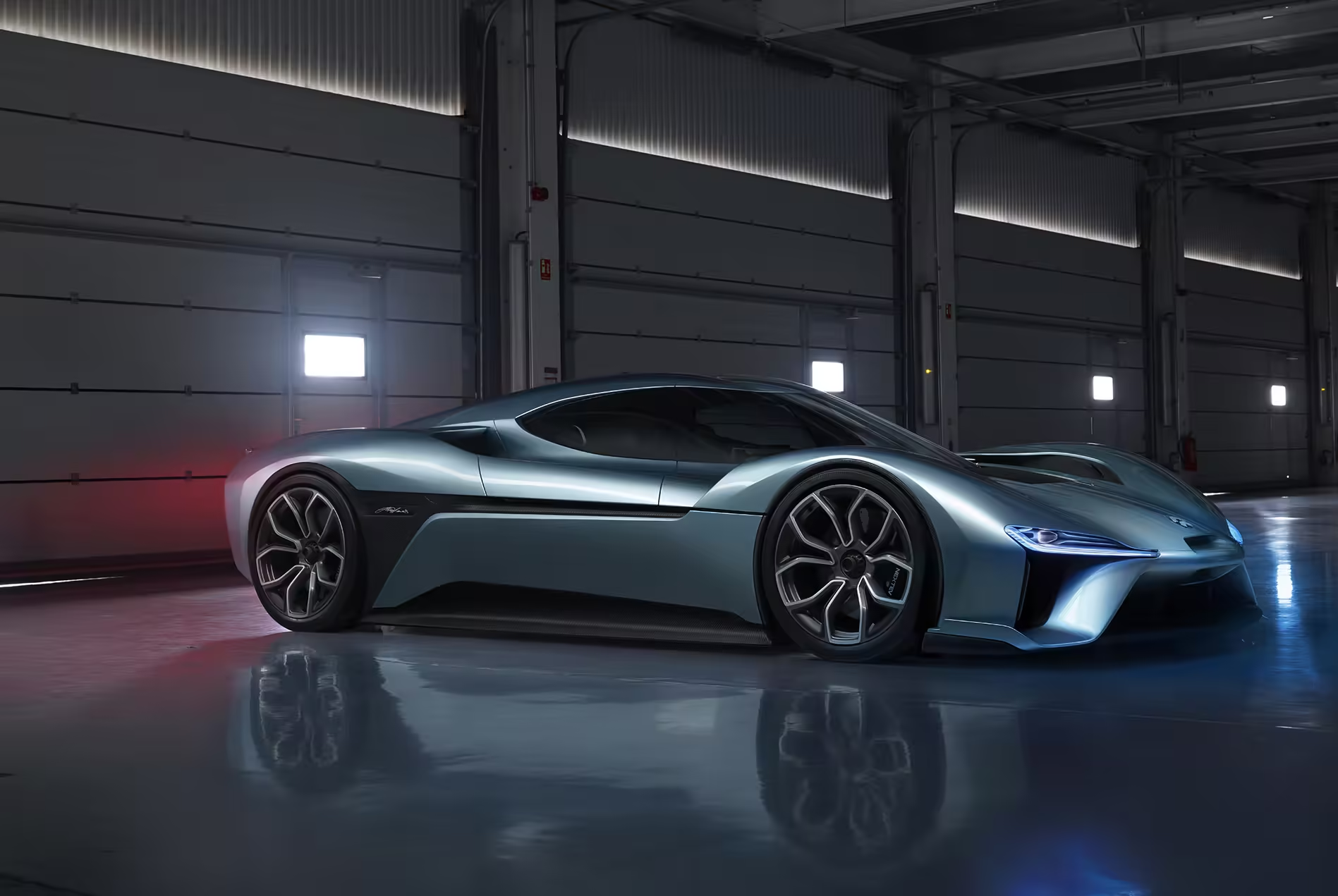
What Is NIO? Battery Swap, BaaS and Chinese EVs
NIO's story: the Chinese EV maker known for battery-swap stations. How NIO works, its cars and tech, and whether its bold model can succeed. Read guide
Hydrogen vs Electric Cars: Efficiency, Cost and Future
Electric vs hydrogen cars: how battery EVs and hydrogen fuel-cell vehicles compare on cost, range, efficiency and refuelling, and which one wins. Read guide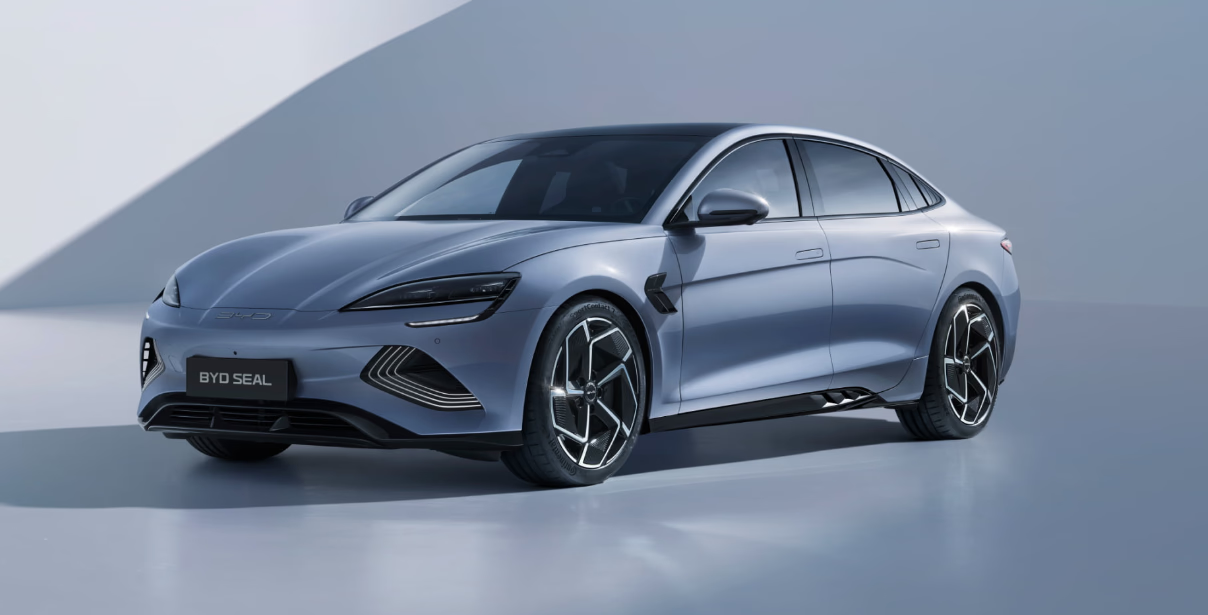
BYD vs Tesla: How the Two EV Giants Compare
Meet BYD, the Chinese EV maker that outsold Tesla. How BYD's batteries, low prices and global push made it the electric car company to watch. Read guideThe essentials
How long they last, and who makes them
The fear of a dead battery is mostly a myth: our data-backed guide on how long EV batteries last shows they usually outlast the car. Behind them sits a handful of giants, profiled in the EV battery makers (CATL, BYD, LG and more).
What's next: solid-state
The technology is still moving fast. Solid-state batteries promise more range, faster charging and less fire risk, and could reshape the whole industry once they reach mass production.
Frequently asked questions
How long do EV batteries last?
Most modern EV batteries last 12 to 20 years, or 100,000 to 200,000 miles, and often outlast the car. Real-world data shows about 2.3 percent capacity loss a year, so a typical pack still holds around 80 percent after eight years.
Who makes the most EV batteries?
China's CATL is the clear leader with well over a third of the global market, followed by BYD. Korean and Japanese firms like LG, SK On, Samsung SDI and Panasonic make up most of the rest.
What is a solid-state battery?
It replaces the liquid electrolyte in a normal lithium-ion cell with a solid material, promising more range in the same space, faster charging and less fire risk. Affordable mass-market versions are still a few years away.
Keep exploring
More topics
Hero photo: Mario R. Durán Ortiz / Wikimedia Commons, CC BY-SA 3.0