Topic guide · 11 guides
EV Charging Explained: Costs, Speed and How It Works
EV charging explained: what it costs, how long it takes, AC vs DC fast charging, the plugs and the public network. Your hub for every EV charging guide.
Charging is the part of EV ownership that worries new buyers most, and the part that turns out to be the easiest once it clicks. This is your hub for everything about powering an electric car: what it costs, how long it takes, the different plugs and speeds, and where the public network is heading.
Charging guides in this topic
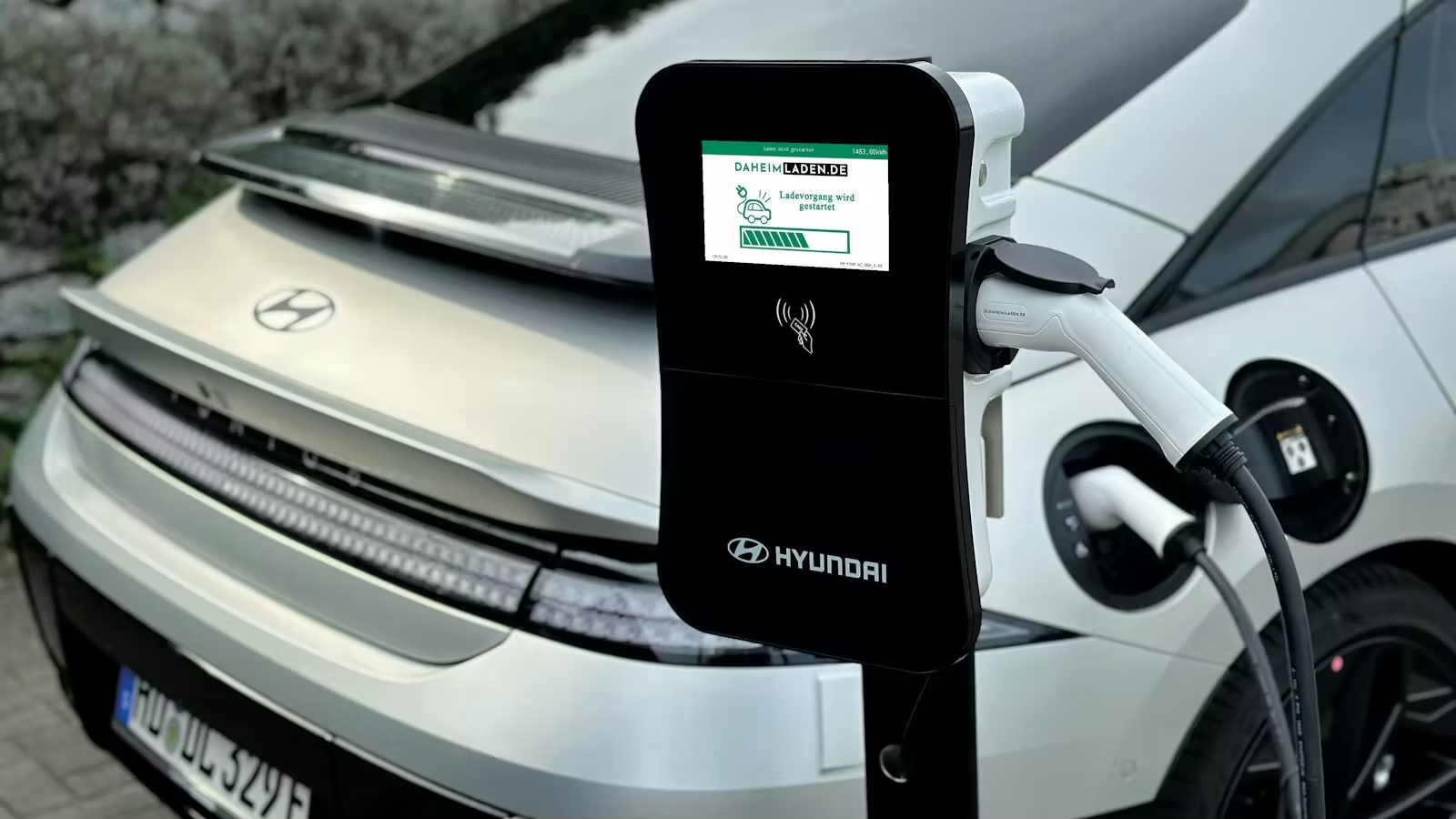
Vehicle-to-Grid (V2G): Can Your EV Pay You Back?
Your EV is a giant battery. With V2G it can power your home for days and earn you hundreds a year. How V2G, V2H and V2L work in 2026. Read guide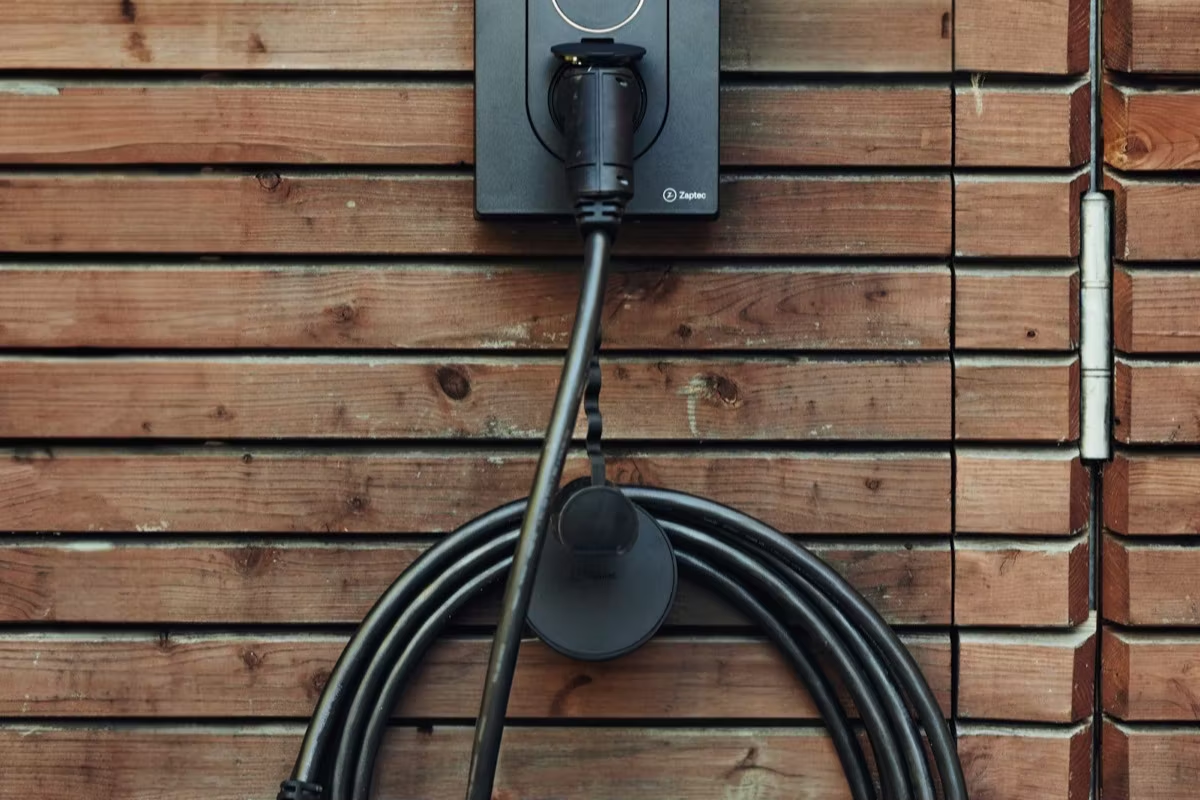
Home EV Charger Cost 2026 + Best Level 2 Chargers
What a home Level 2 charger really costs to install in 2026, what drives the price, and the best chargers from Emporia, ChargePoint and Grizzl-E. Read guide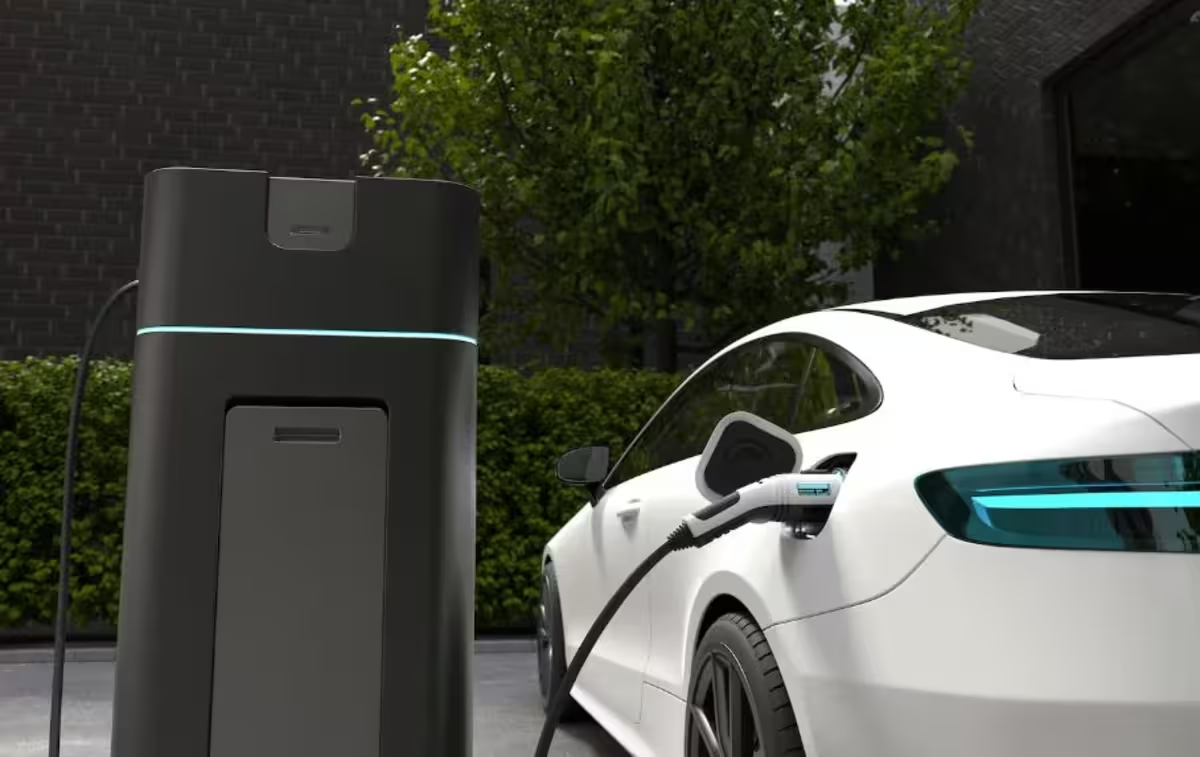
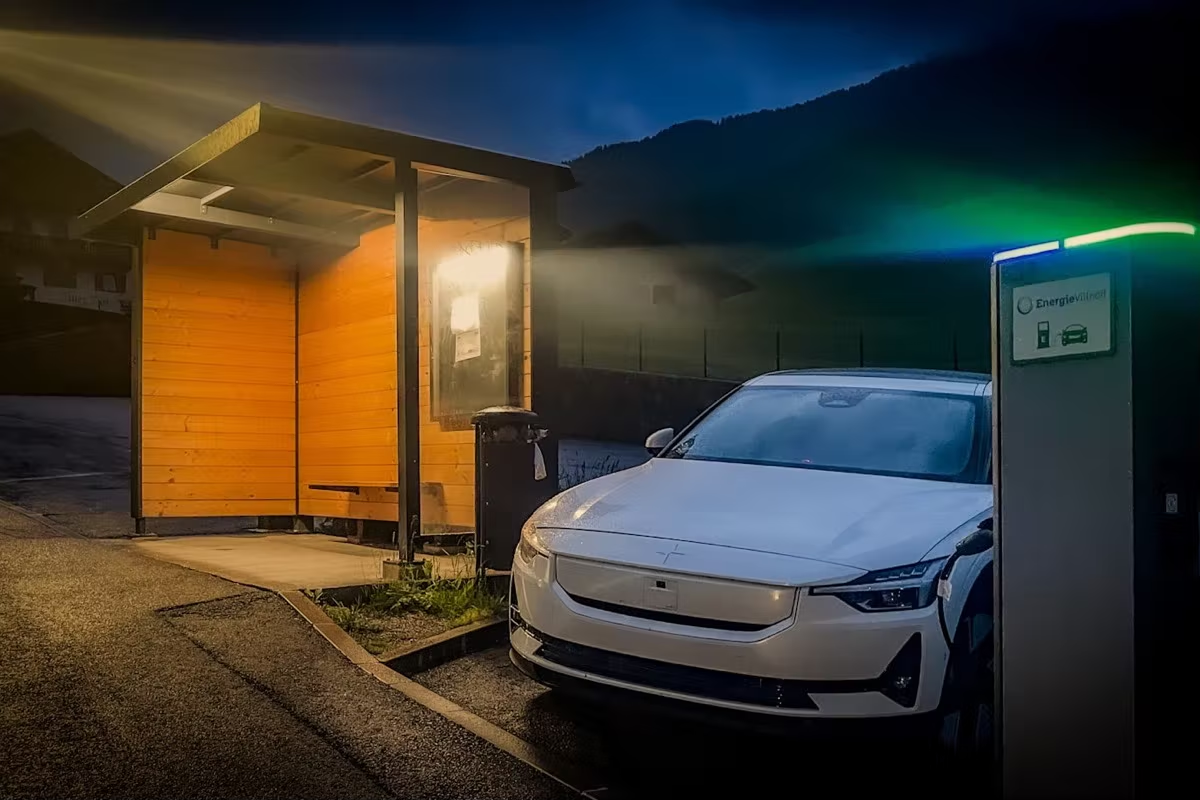
EV Charging Stations: The State of the Network
How good is the EV charging network really? The state of charging stations, fast-charging growth, reliability problems and what comes next. Read guide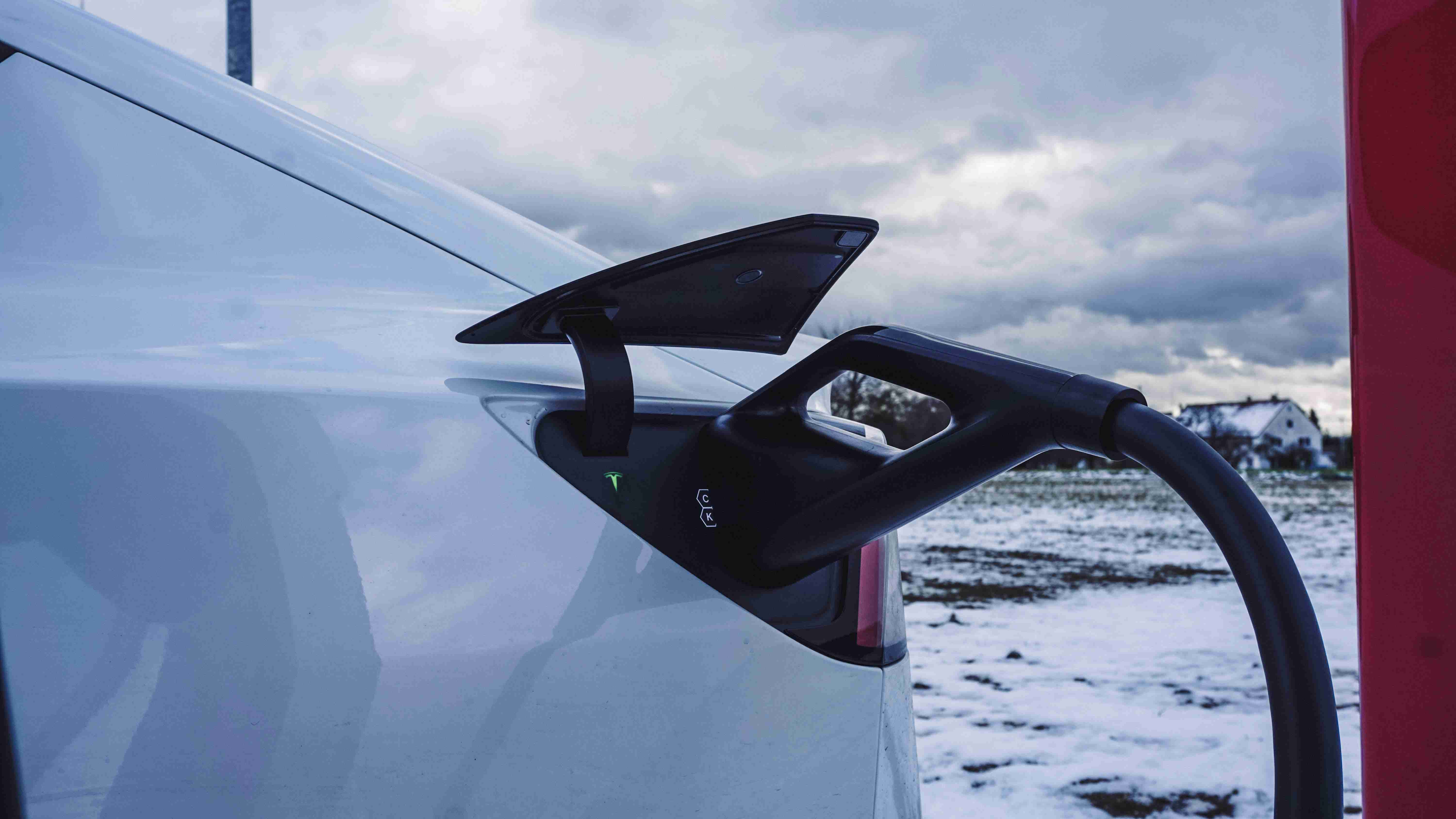
EV Charging Cost: Price per Charge and Mile (2026)
How much does it cost to charge an electric car? We break down home vs public charging costs per kWh, per mile and per month, plus tips to pay less. Read guide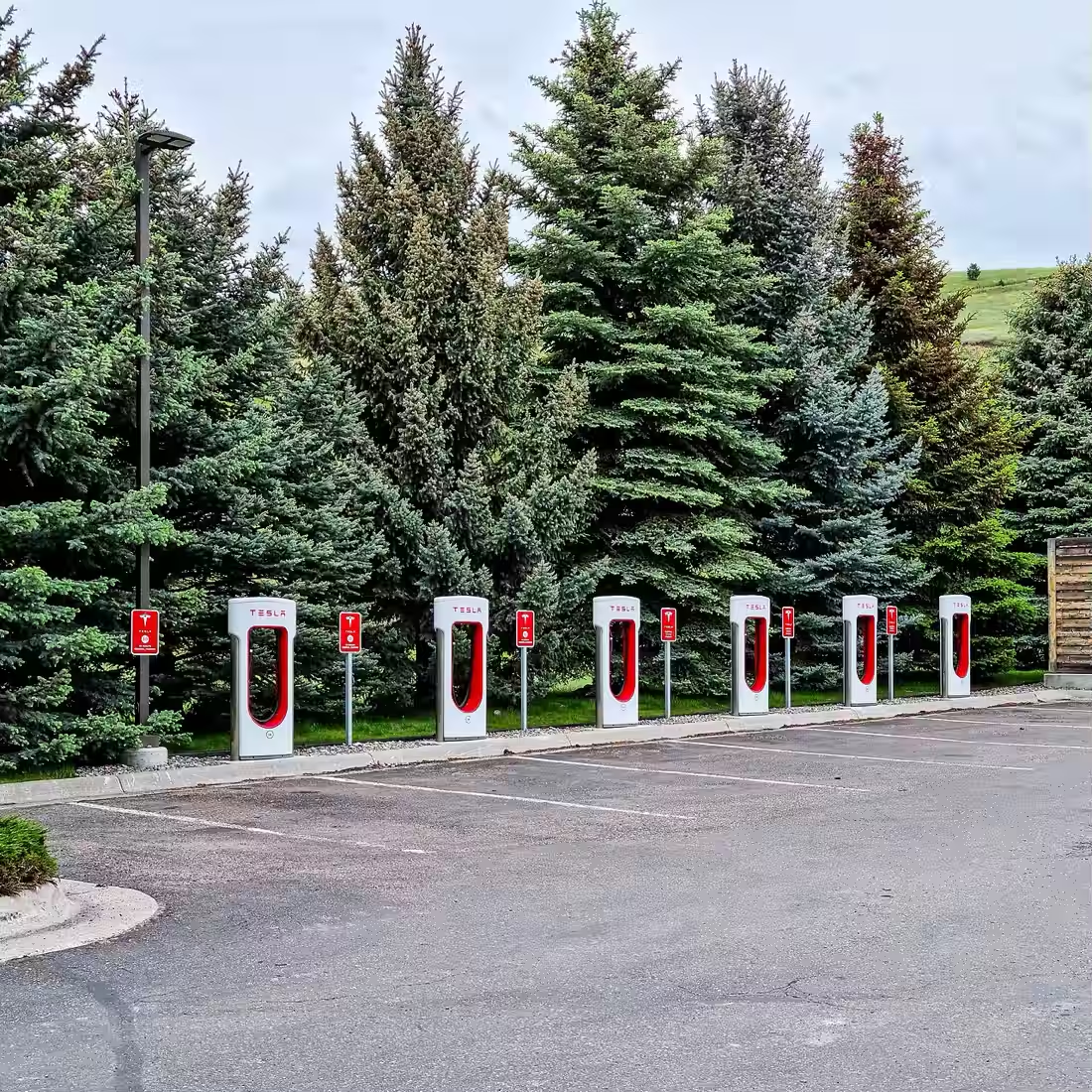
NACS Explained: How Tesla's Plug Won North America
How Tesla's NACS connector became North America's charging standard (SAE J3400). Which automakers adopted it, why it won, and what it means for you. Read guide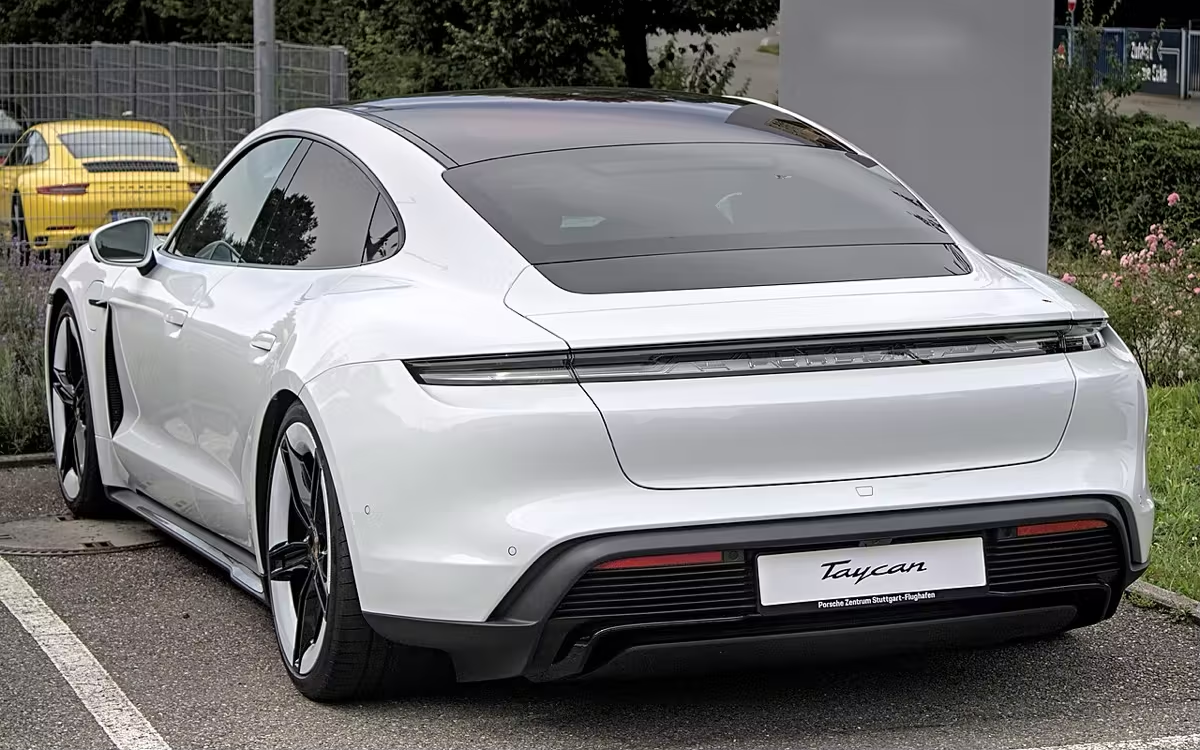
800V EV Charging Explained: Why Voltage Matters
What 800-volt EV architecture really does: faster charging, thinner cables and less heat. Why the charging curve, not peak kW, is what matters most. Read guide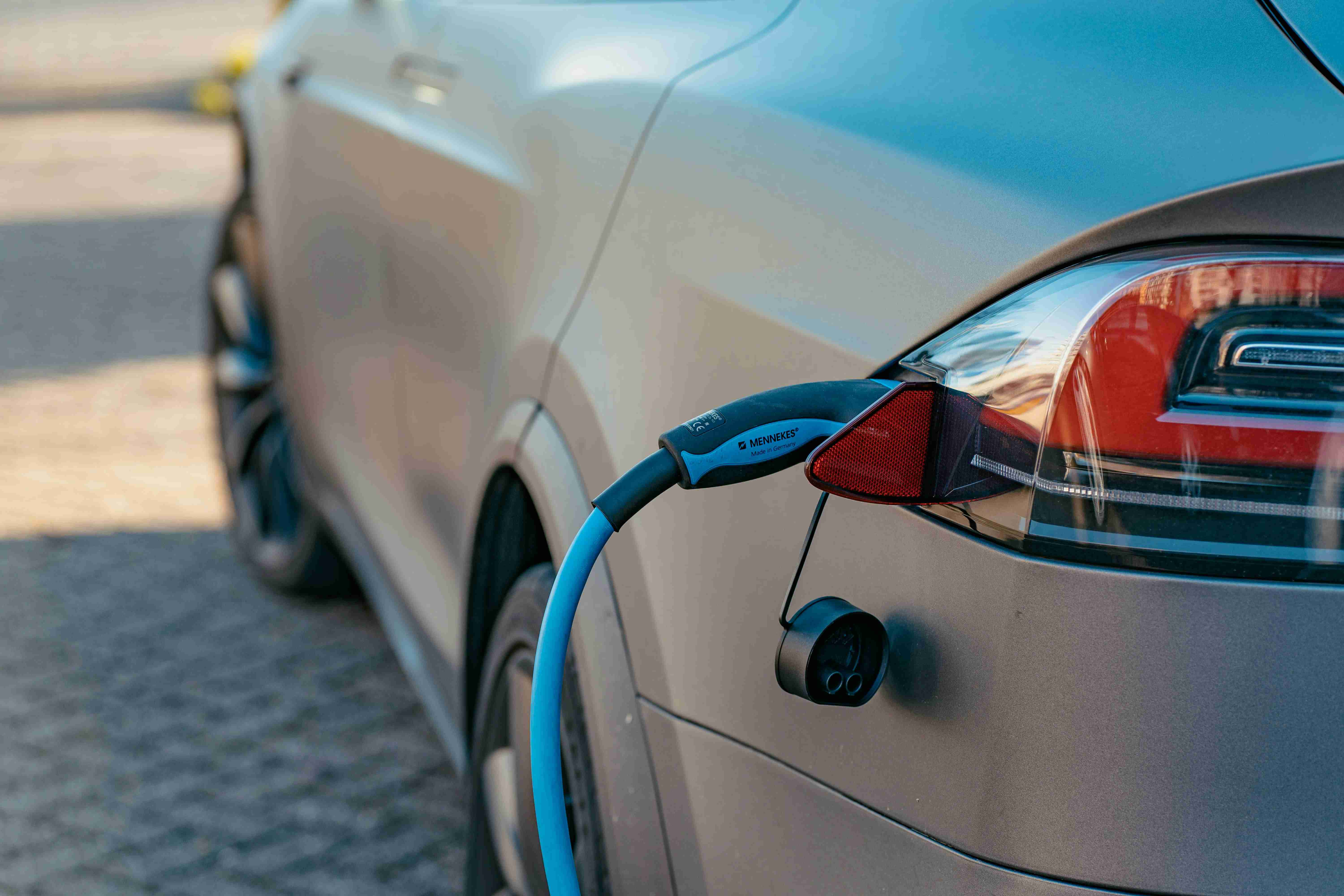
How Far Can an Electric Car Go? Real EV Range (2026)
Is EV range anxiety still justified? How far electric cars really go, why the fear is fading, and where charging still needs to improve. Read guide
Porsche Macan EV Review: Should You Buy the Macan 4?
An honest Porsche Macan EV review: range, performance, price and whether the Macan 4 is the electric SUV worth buying. Here is what to know. Read guide
How Long Do EV Batteries Last? Lifespan and Cost
How long do electric car batteries last? Real degradation data, lifespan, warranties, replacement cost, and simple habits to make your EV battery last longer. Read guide
Hydrogen vs Electric Cars: Efficiency, Cost and Future
Electric vs hydrogen cars: how battery EVs and hydrogen fuel-cell vehicles compare on cost, range, efficiency and refuelling, and which one wins. Read guide
Solid-State EV Batteries: How They Work and When
Solid-state batteries promise longer range, faster charging and more safety. How they work, who is building them, and when they reach electric cars. Read guideThe essentials
How EV charging works: AC vs DC
There are two kinds of charging. Slow AC charging at home tops the battery up gently overnight and is the cheapest, kindest way to run an EV. Rapid DC fast charging on the public network refills it in minutes for trips. The plug standards behind this and the voltage of the car decide how fast it goes, which we cover in the NACS plug standard and 800-volt charging.
Costs, time and the public network
Home charging is almost always cheapest, so a full battery runs about 10 to 15 dollars; public fast charging costs two to three times more. On a capable charger, 10 to 80% takes 20 to 30 minutes. See the full breakdown in how much it costs to charge, plus the state of the network and why range anxiety is largely a thing of the past.
Frequently asked questions
Is it cheaper to charge at home or in public?
Home charging is almost always cheapest, at around 16 cents per kWh on average in the US. Public fast chargers charge a premium for speed, often two to three times the home rate.
How long does it take to charge an EV?
On a fast charger, 10 to 80 percent typically takes 20 to 30 minutes. At home on AC you simply plug in overnight and wake up to a full battery.
Do I need an adapter to use a Tesla Supercharger?
For now most non-Tesla EVs need an adapter for Tesla's NACS plug, usually supplied by the carmaker, though newer cars increasingly ship with the NACS port built in.
Keep exploring