What a Home EV Charger Really Costs to Install in 2026
This article contains affiliate links. As an Amazon Associate, EV-Global earns from qualifying purchases.
How much does it cost to install a home EV charger? Most US homeowners pay $1,200 to $3,000 in 2026 for a Level 2 charger, installed, before any incentives. The charger itself is $350 to $700, a licensed electrician adds $500 to $1,200, and permits run $50 to $200. The one thing that blows the budget is an electrical panel upgrade, which can push a job past $4,000 on its own.
Charging at home is the whole point of owning an EV. You plug in overnight, you wake up full, and you never think about a gas station again. But the question that stalls most first-time buyers is what it costs to get there. The good news: for a typical house, a proper Level 2 charger is a one-time cost in the low thousands, and the running-cost case carries it on its own now that the federal charger credit has expired. The trap is the one variable nobody warns you about, your electrical panel, which decides whether this is a $1,500 afternoon or a $5,000 project.
Level 1 vs Level 2, and why you want Level 2
Every EV comes with a Level 1 cord that plugs into a normal wall outlet. It works, technically. It also adds only 3 to 5 miles of range per hour, which means a big battery can take three or four days to fill. Fine for a plug-in hybrid or a very short commute. Useless for most EV owners.
Level 2 runs on a 240-volt circuit, the same kind your dryer or oven uses, and adds 25 to 35 miles of range per hour. That is the difference between "always full by morning" and "never quite caught up." For almost everyone, Level 2 is the only home setup worth installing.
Tap between charging speed and full-charge time. A 48-amp Level 2 charger adds roughly 37 miles of range an hour, close to ten times a standard wall outlet. Level 1 only works for very low mileage.
The real cost breakdown
An installed Level 2 setup has four parts:
| Cost item | Typical range | Notes |
|---|---|---|
| Charger (hardware) | $350-$700 | Reputable brands; cheaper units cut corners |
| Electrician labor | $500-$1,200 | Straightforward install near the panel |
| Permit | $50-$200 | Pulled by your electrician |
| Panel upgrade (if needed) | $1,500-$4,000 | The wildcard, see below |
For a simple job (an attached garage, a modern panel with spare capacity, a short wire run), you are looking at $1,200 to $1,800 all in. The number climbs with distance from the panel, outdoor conduit, and older wiring.
The charger pays back through the tariff: home electricity costs a fraction of public fast charging, as the EV charging cost breakdown shows, and a bidirectional unit can even turn the cost line into income once vehicle-to-grid tariffs reach your utility.
The panel upgrade wildcard
Here is the part that turns a cheap install into an expensive one. Your home's electrical panel has a fixed capacity, usually 100 or 200 amps. Your HVAC, oven, water heater, and everything else already draw from it. A 48-amp charger needs a 60-amp circuit, and if your panel does not have that headroom, an electrician has to upgrade it, typically from 100 amps to 200 amps. That single step adds $1,500 to $4,000 and can double the whole bill.
You will not know for sure until an electrician looks at your panel, but you can guess. A newer house with a 200-amp panel and gas heat almost always has room. An older house with a 100-amp panel running electric everything often does not. Ask for a load calculation before you buy the charger.
How many amps do you actually need
More power is not always the answer. The sweet spot for most owners is a 40-amp charger on a 50-amp circuit, delivering about 9.6 kW and adding 28 to 35 miles of range per hour. That fills nearly any EV overnight and keeps your circuit and panel demands modest.
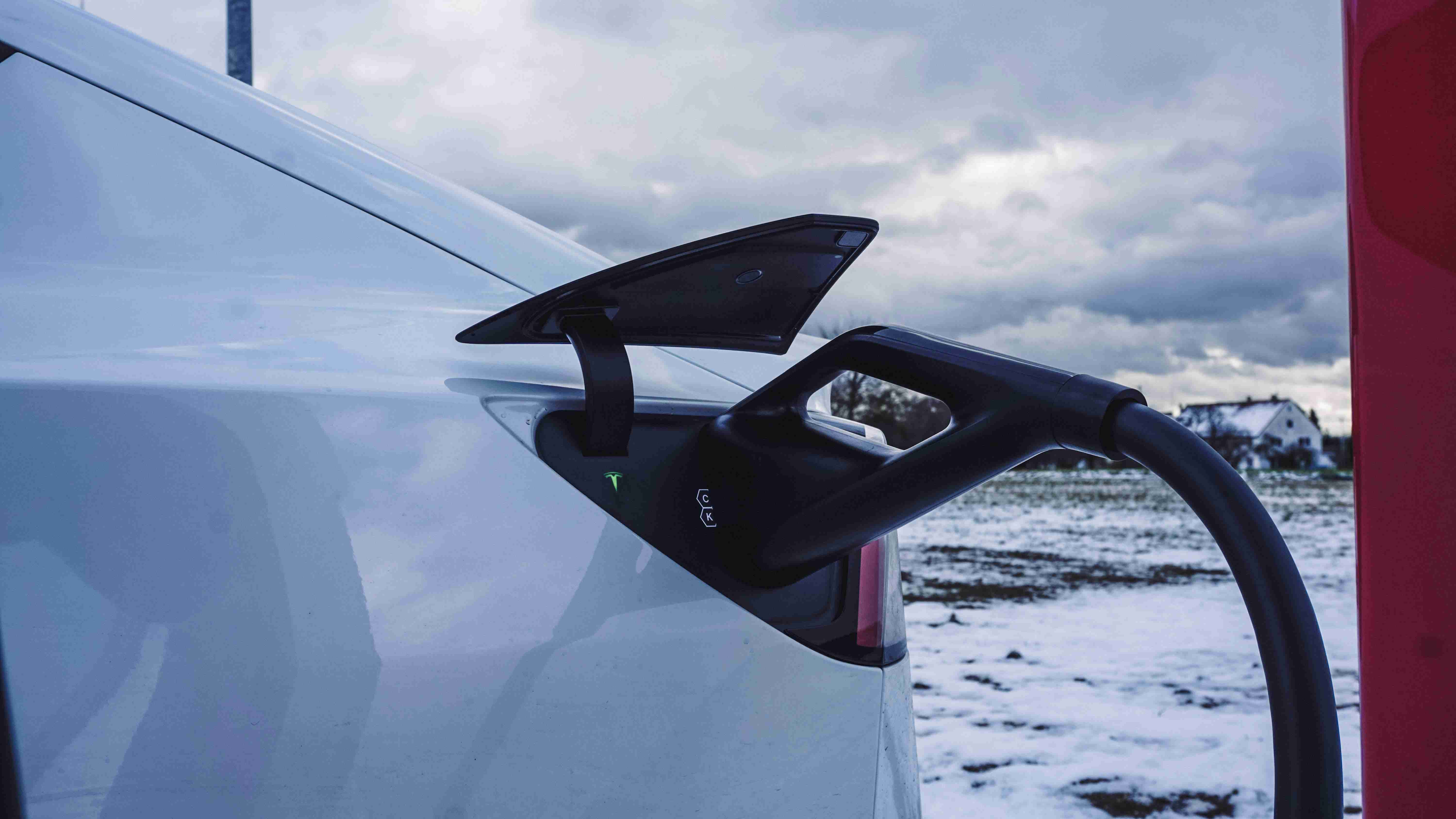
Step up to a 48-amp charger on a 60-amp circuit (about 11.5 kW) only if you drive 60-plus miles a day or run a large-battery EV that you routinely need topped off fast. Also decide early between hardwired and plug-in: a plug-in unit on a NEMA 14-50 outlet is easy to swap or take with you, while a hardwired unit is cleaner, is required for 48-amp setups in many areas, and survives weather better.
Use the EV charging time calculator with your car's onboard charger rating; most EVs accept 11 kW at best on AC, so a 48-amp circuit is often paying for headroom you cannot use.
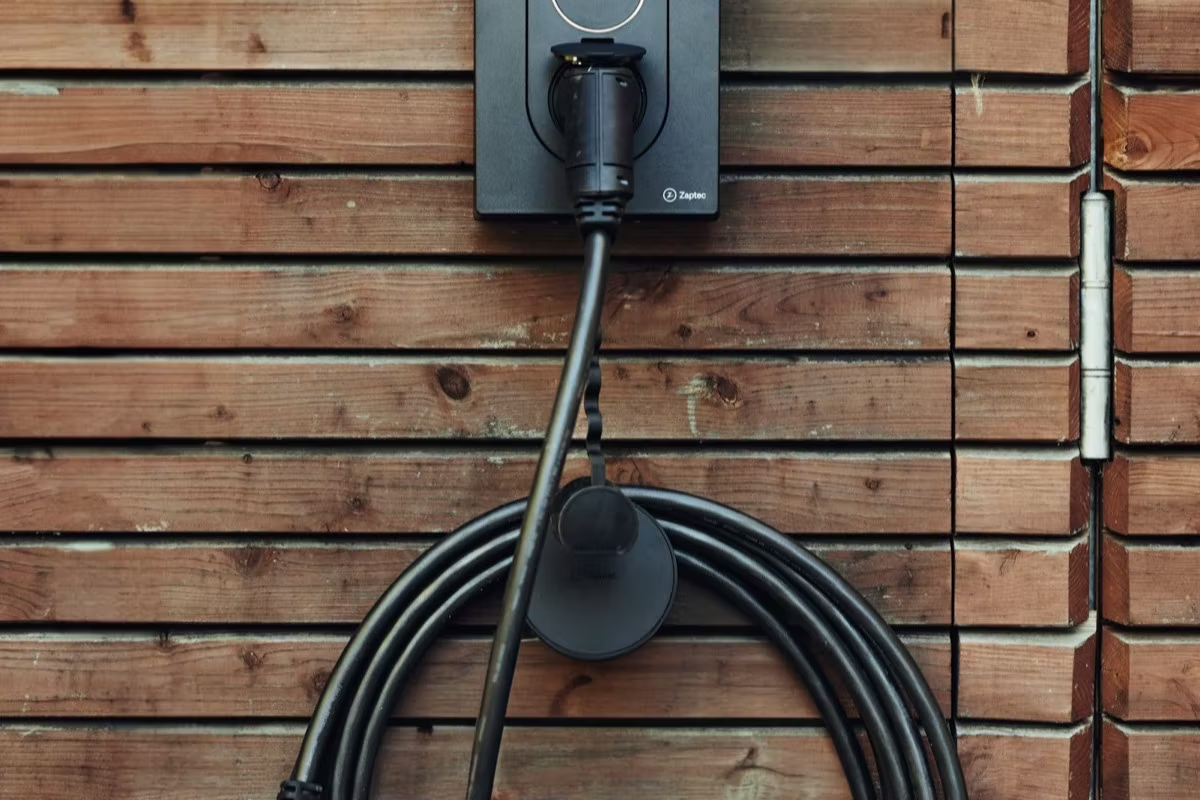
A hardwired Level 2 unit on a dedicated circuit is the setup most owners should aim for. Photo: Haberdoedas / Unsplash.
The best Level 2 chargers in 2026
You do not need the most expensive charger. You need a safe, well-supported one sized to your car. These are the units worth shortlisting:
| Charger | Price | Amps | Best for |
|---|---|---|---|
| Emporia Smart | under $400 | 48 A | Best value; solar integration, real app |
| ChargePoint Home Flex | ~$549 | up to 50 A | Best all-rounder; excellent app + network |
| Grizzl-E Ultimate | ~$480 | 48 A | Cold-climate durability; weatherproof |
| Tesla Universal Wall Connector | ~$485 | 48 A | Tesla owners; native NACS, app integration |
| Wallbox Pulsar Plus | ~$400-500 | up to 48 A | Smallest footprint; clean design |
For a no-fuss pick, the Emporia is the value champion and the Grizzl-E is the one to buy if you live where winters are brutal. Tesla drivers should just get the Universal Wall Connector.
Plug type is the one decision that outlives the car: with the industry moving to Tesla's NACS connector, a unit with a NACS cable or a swappable cable is the safer buy, and the 2026 tax credit guide explains what happened to the 30C charger credit.
Recommended gear
Advertising / affiliate links: as an Amazon Associate, EV-Global earns from qualifying purchases. Prices and availability are set by Amazon; links open in a new tab.
On AmazonEmporia Level 2 charger48A smart charging with solar support, the value pick. On AmazonChargePoint Home FlexThe best all-rounder, up to 50A with a great app. On AmazonGrizzl-E UltimateThe weatherproof workhorse for cold climates.Installation tips worth following
- Always use a licensed electrician and pull a permit. An uninspected 60-amp circuit is a fire and insurance problem, not a place to save $300.
- Get the load calculation before buying hardware, so you size the charger to your panel, not the other way around.
- Mount the charger where the cable reaches your car's port comfortably, and account for parking the other way around one day.
- Ask about a subpanel if the run to your main panel is long; sometimes it is cheaper than a full upgrade.
Bring the running cost down too
Installing the charger is the one-time cost. The ongoing cost is electricity, and this is where home charging wins big. Charging overnight on a time-of-use or EV rate is dramatically cheaper than public fast charging, often a third of the price. We break the numbers down in how much it costs to charge an EV, and you can price your own car and rate with our charging cost calculator. Do not count on federal help any more: the 30% home-charger credit (up to $1,000) expired on June 30, 2026, although a charger placed in service before that date can still be claimed on your 2026 return. Many utilities still pay their own rebate, and that is now the incentive worth chasing. Our guide to the EV tax credit in 2026 covers exactly what is left.
Home EV charger cost: frequently asked questions
How much does it cost to install a Level 2 home charger in 2026?
Most homeowners pay $1,200 to $3,000 installed, before incentives. Simple jobs come in under $1,500; a panel upgrade can push it past $4,000.
Do I need an electrician, or can I install it myself?
Use a licensed electrician and pull a permit. A 240-volt, 40-to-60-amp circuit is not a safe DIY job, and an uninspected install can void insurance.
How many amps should my home charger be?
For most people, 40 amps on a 50-amp circuit (about 9.6 kW) is the sweet spot. Go to 48 amps only if you drive a lot of miles daily or have a large-battery EV.
What is the most expensive part of the install?
The electrical panel upgrade. If your panel lacks spare capacity, going from 100 to 200 amps adds $1,500 to $4,000.
Is there still a tax credit for a home EV charger?
Not at the federal level any more. The 30% credit (up to $1,000) expired on June 30, 2026; an installation placed in service before then can still be claimed on a 2026 return. Utility and state rebates are the ones to check now.
Which home EV charger is best in 2026?
The Emporia Smart is the best value, the ChargePoint Home Flex the best all-rounder, the Grizzl-E the toughest for cold climates, and the Tesla Universal Wall Connector the pick for Tesla owners.
Photo: Zaptec / Unsplash. Resized and converted to AVIF.