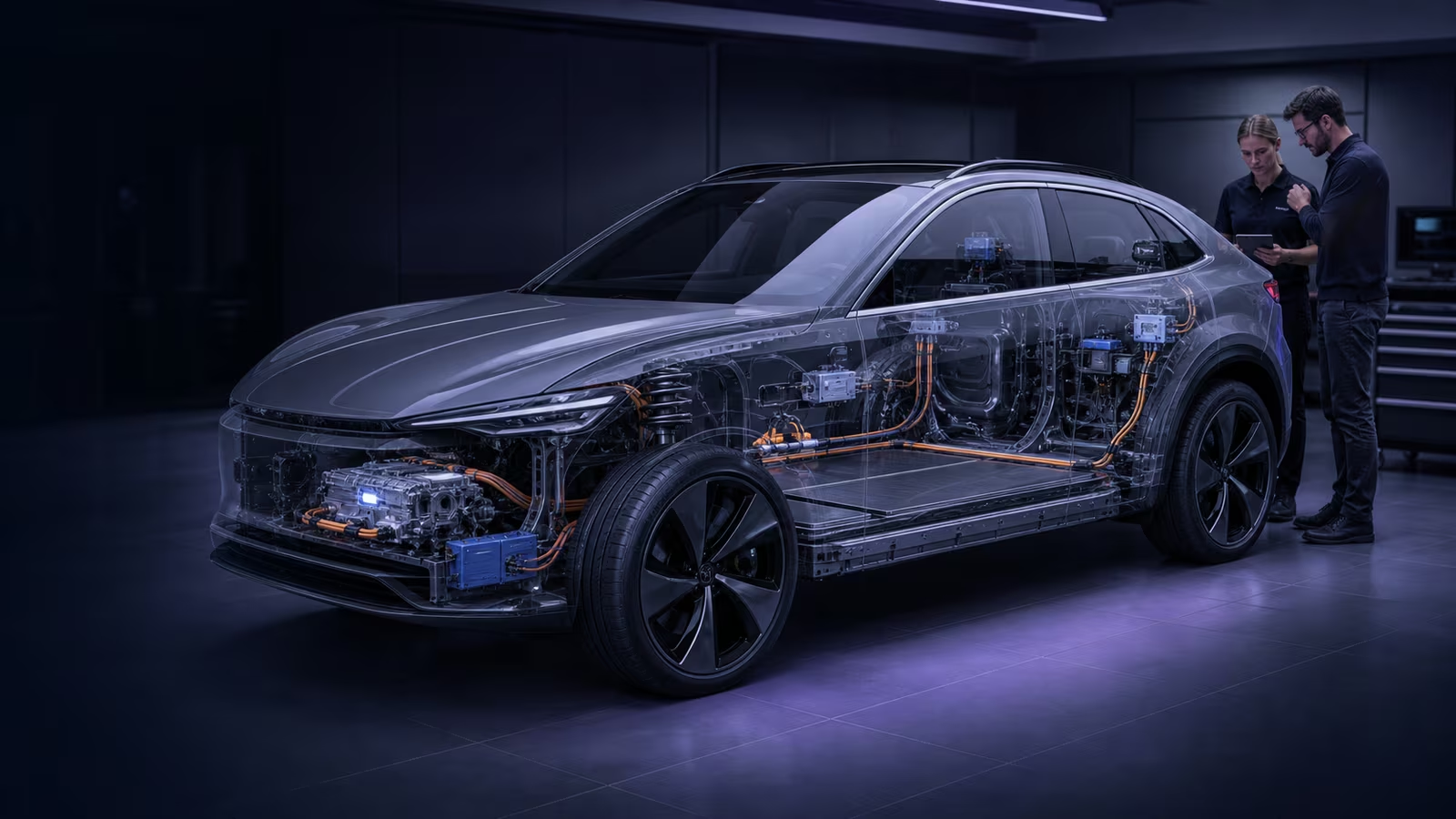
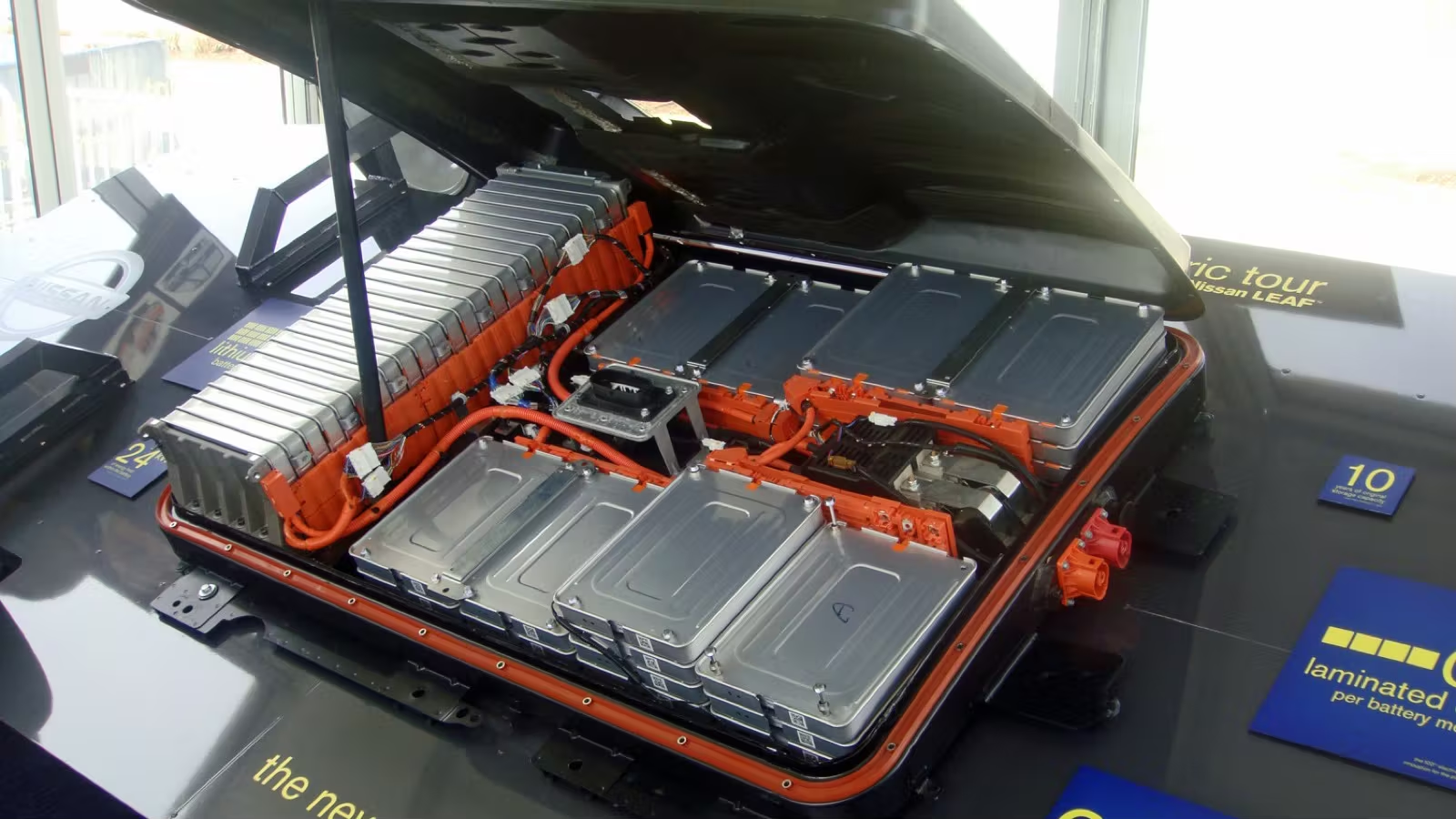
How Does an Electric Car Motor Work? PMSM vs Induction
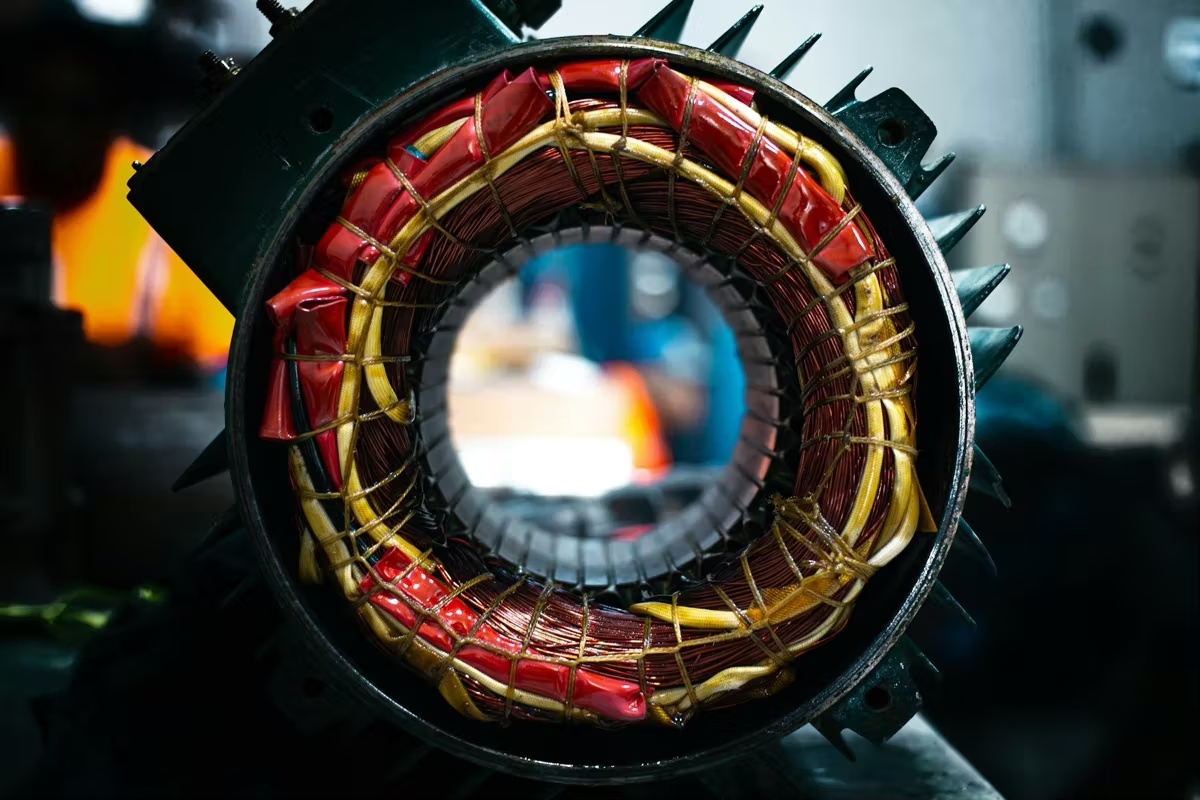
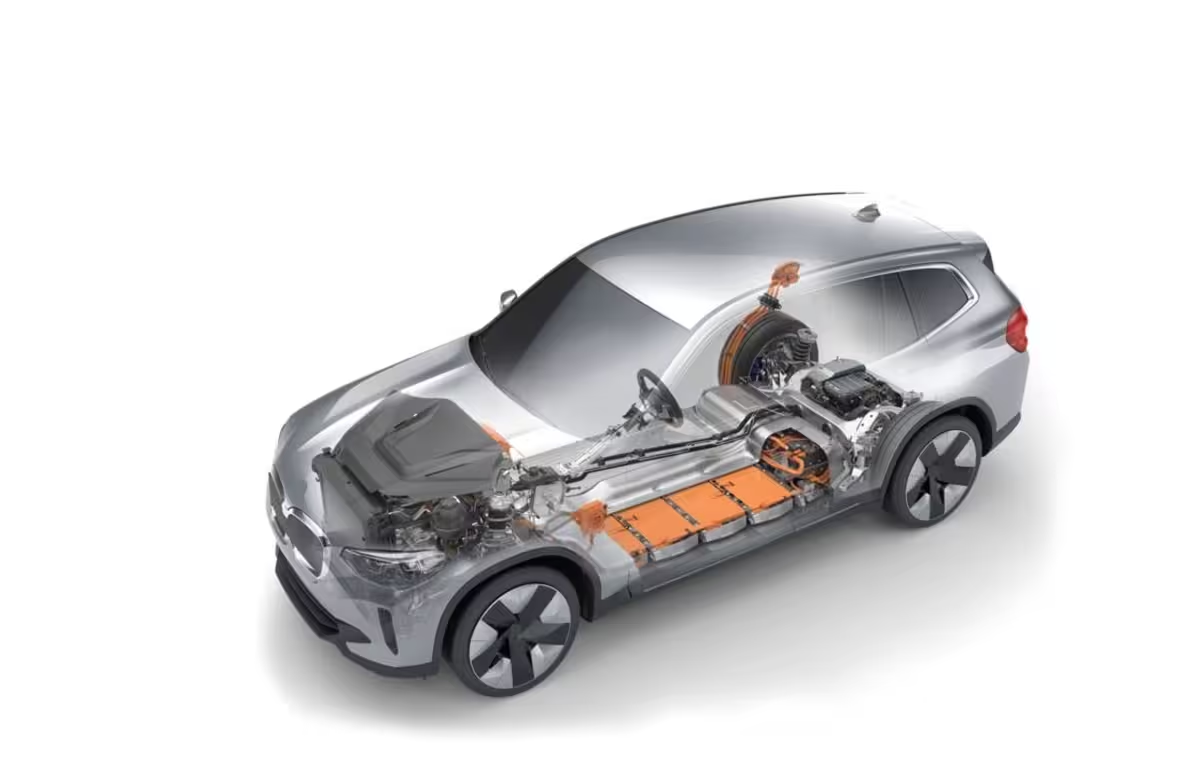
From the inverter to the rotating field: why permanent-magnet, induction and externally excited motors behave differently, and why one gear is enough.
The engineering behind the car, from EV-Global.
Automotive engineering
These guides answer the questions that already bring search readers to EV-Global.
From the inverter to the rotating field: why permanent-magnet, induction and externally excited motors behave differently, and why one gear is enough.
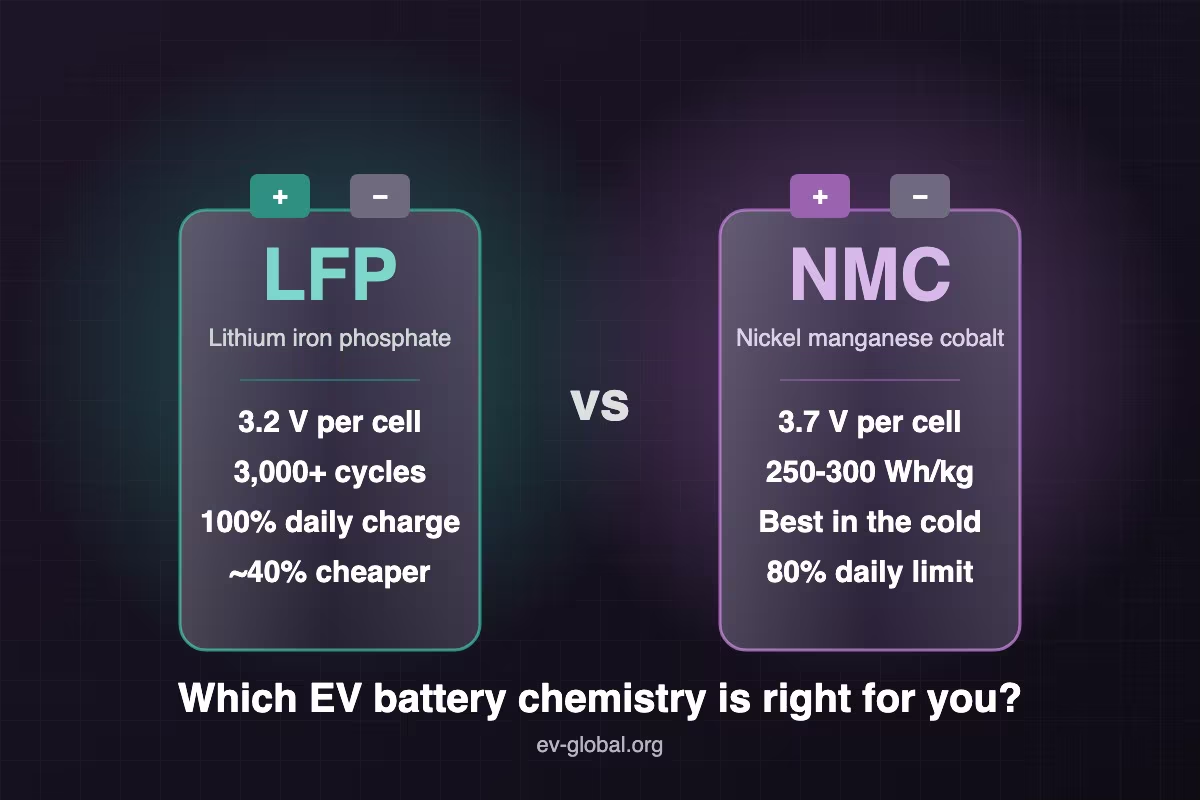
Cheaper and longer-lived, or denser and better in the cold: how the two chemistries differ, which cars use which, and how to pick yours.
How to check battery health, what a fair used-EV price looks like this autumn, the models that hold up and the red flags that end a viewing.
Where each bus wins, why Ethernet is becoming the backbone, and how zone controllers aggregate local LIN and CAN networks.
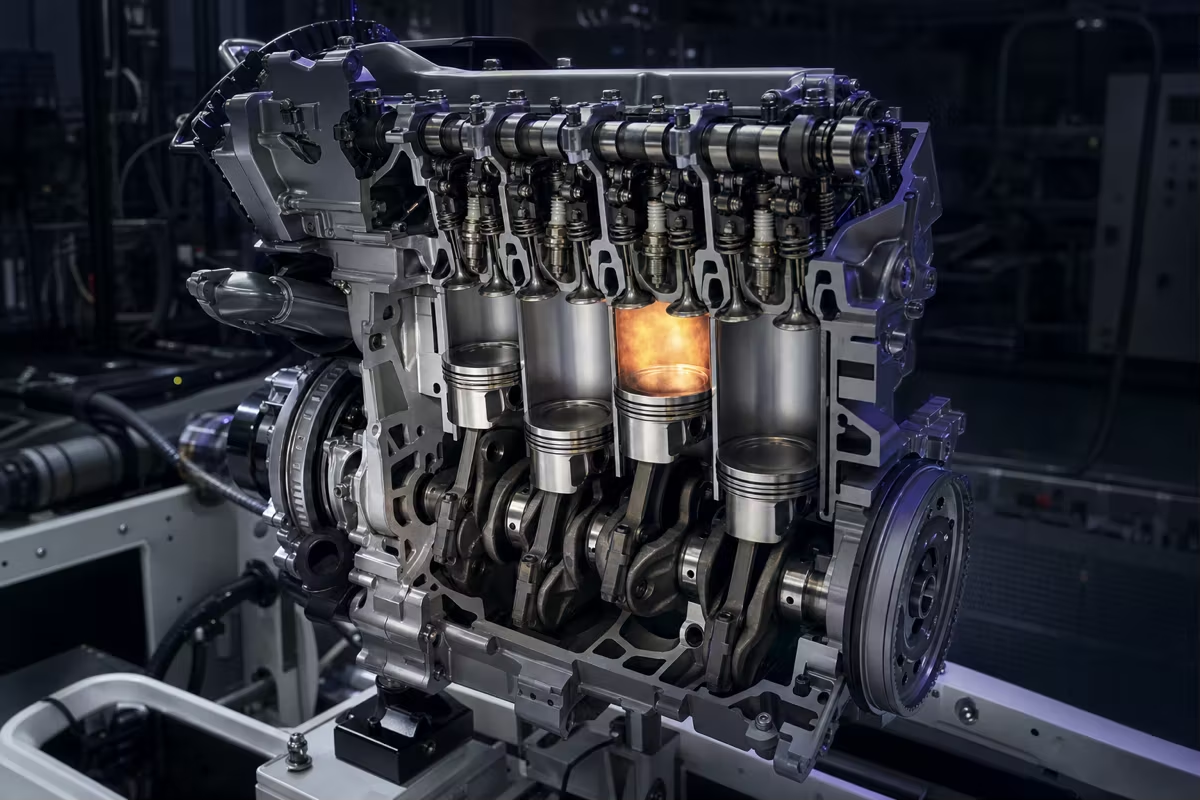
Four strokes, one crankshaft and the mechanical chain that turns combustion pressure into motion at the tyres.
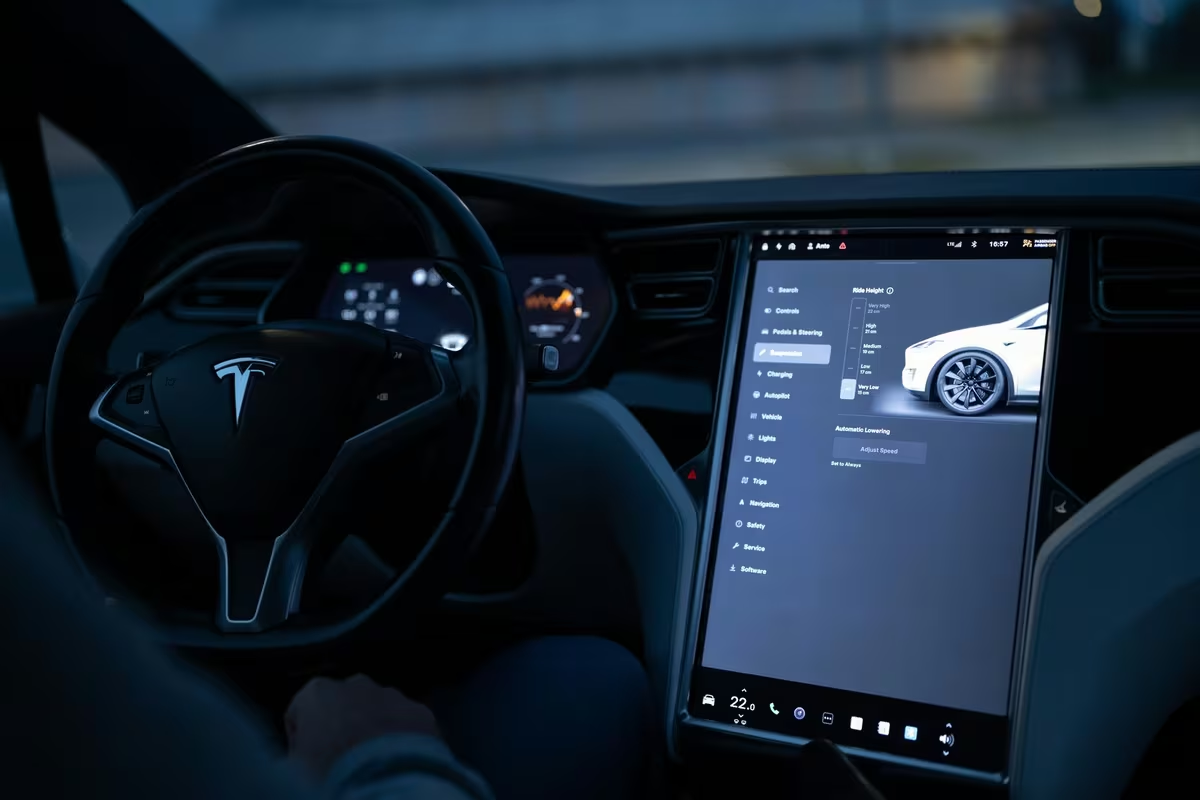
Why Tesla fits the SDV definition, how OTA updates work and where physical hardware still sets the limit.
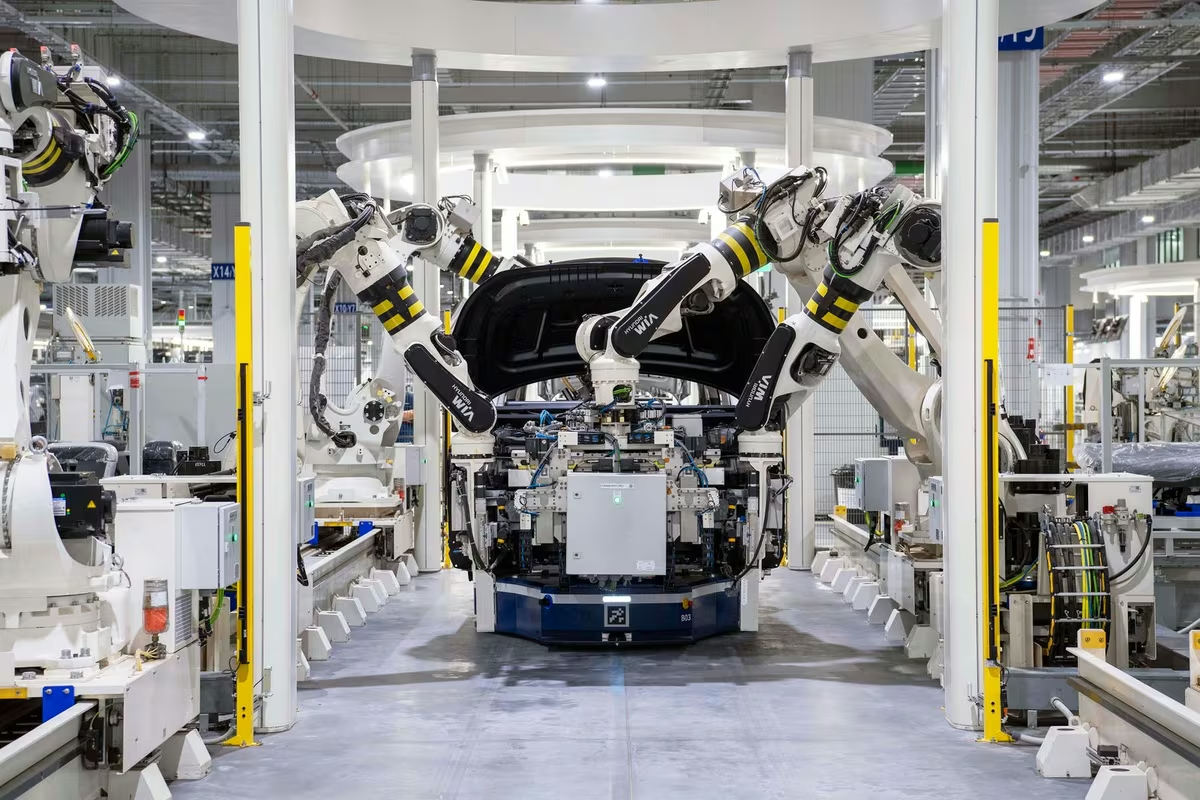
Pre-series builds, PPAP, Job 1, safe launch and the exact point regular vehicle production begins.
Who watches the road, who handles fallback and why the responsibility boundary matters more than the product name.
Five APQP phases, PPAP evidence and the path from design to a controlled production launch.
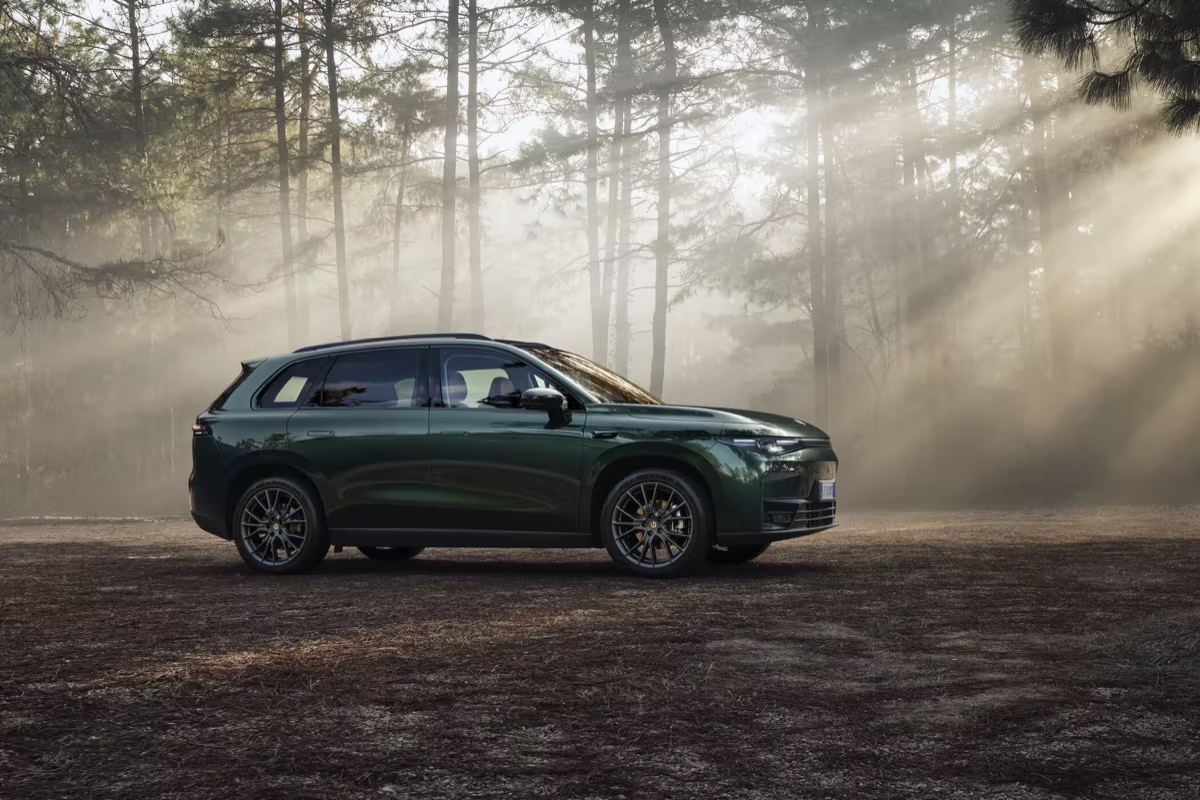
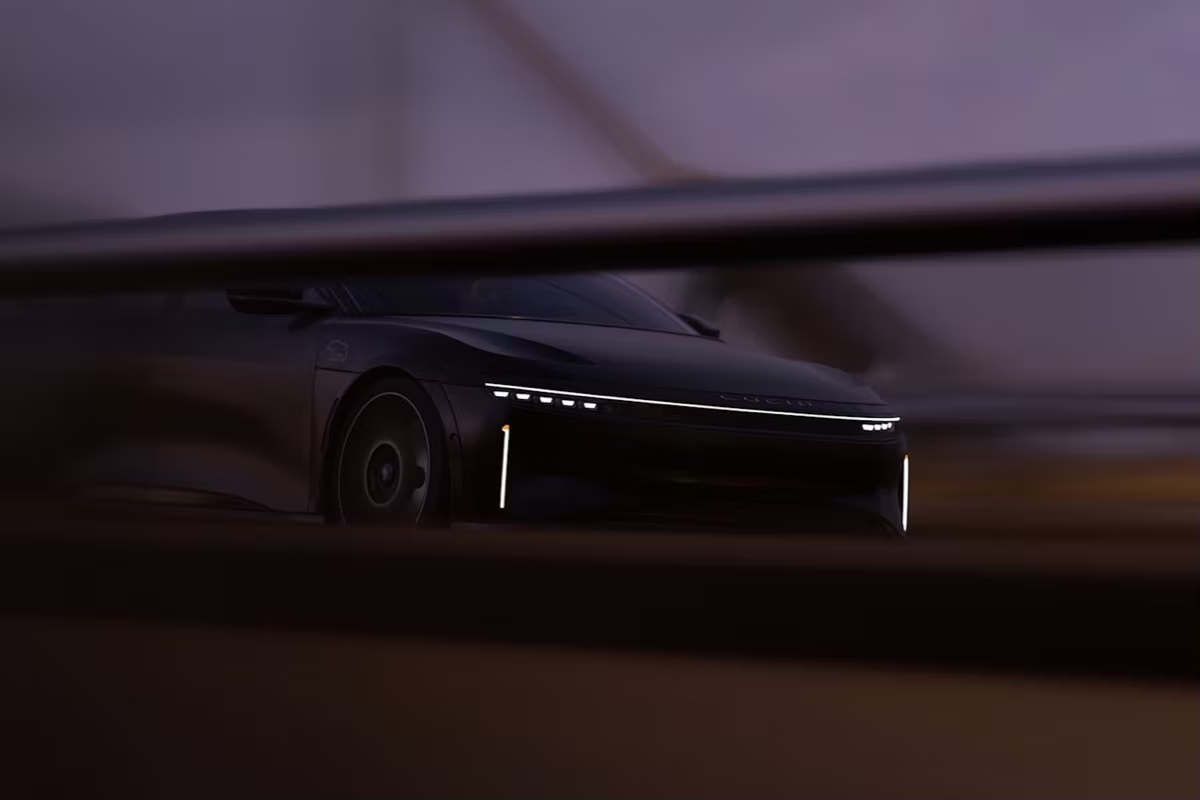
Lucid builds the longest-range, most efficient EVs on sale: the 512-mile Air and the new Gravity SUV. Brilliant tech, and a company fighting to survive.
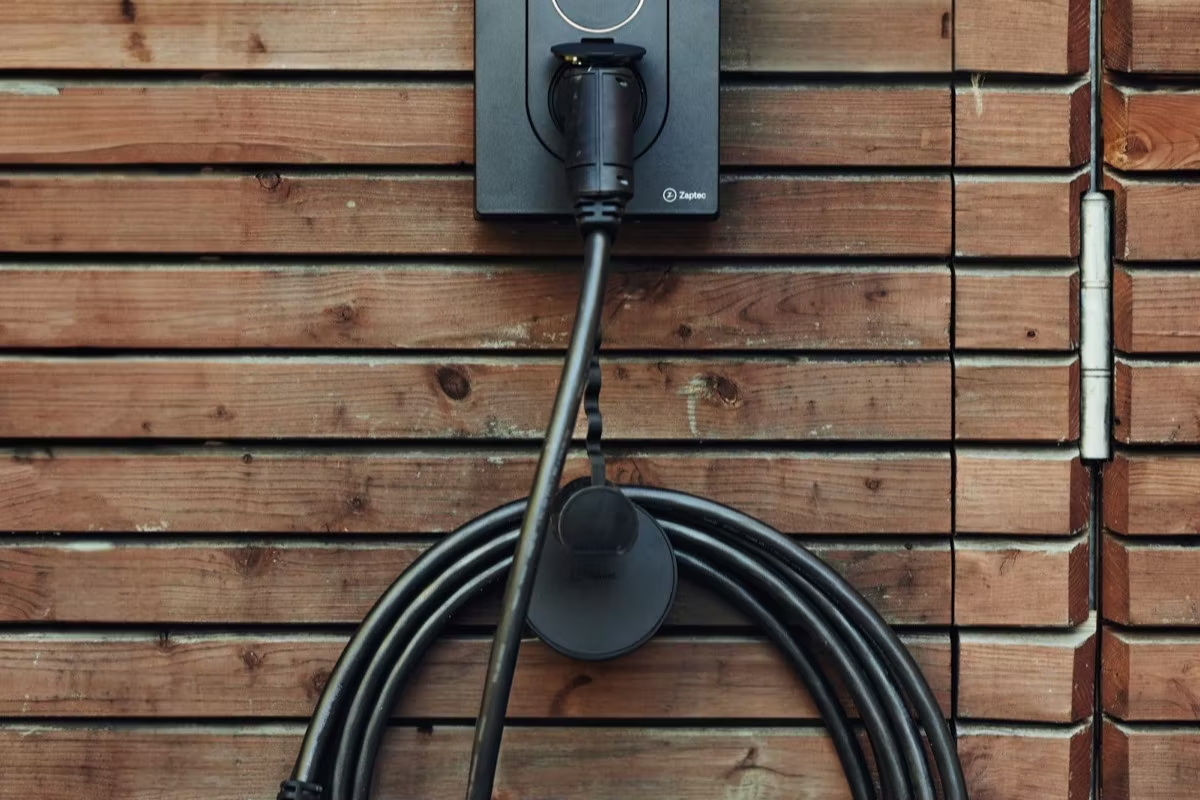
What a home Level 2 charger really costs to install in 2026, what drives the price, and the best chargers from Emporia, ChargePoint and Grizzl-E.
The $7,500 EV tax credit ended in 2025. Here is what US incentives survive in 2026: the home-charger credit, a loan-interest deduction, and state rebates.
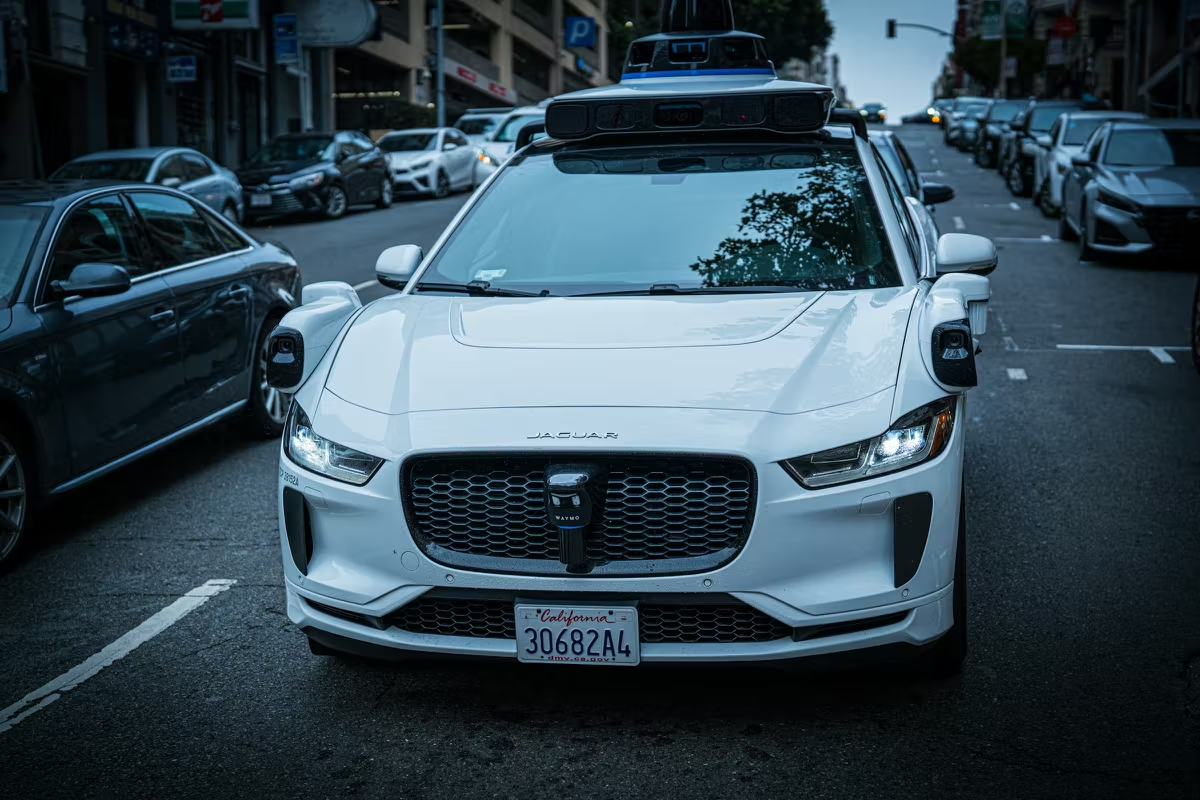
Waymo has passed 20 million fully autonomous rides while Tesla pursues a smaller camera-based robotaxi deployment. Compare the systems and evidence.
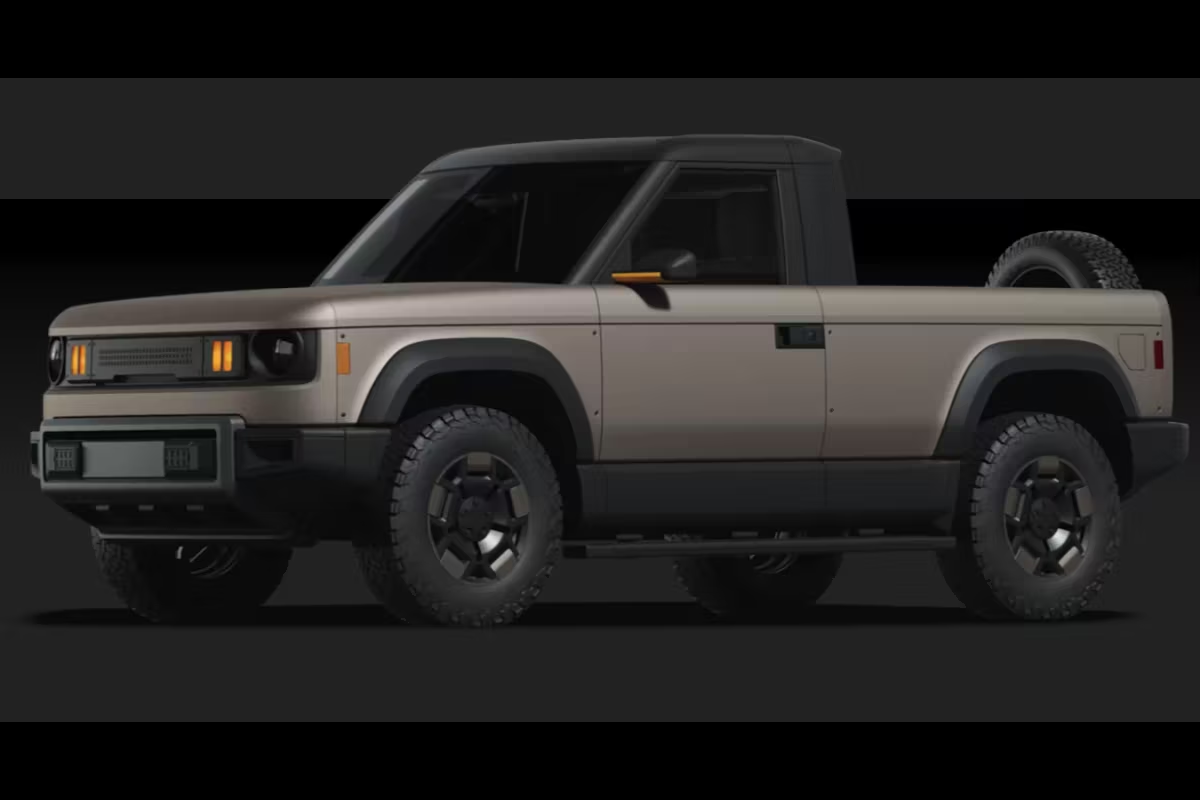
The Bezos-backed Slate Truck is a bare-bones electric pickup near $25,000. What you get, what you give up, and why it matters.
EVs lose 20-30% of range in the cold, up to 50% in a deep freeze. Why it happens, which cars cope best, and how to win the miles back.
Your EV is a giant battery. With V2G it can power your home for days and earn you hundreds a year. How V2G, V2H and V2L work in 2026.
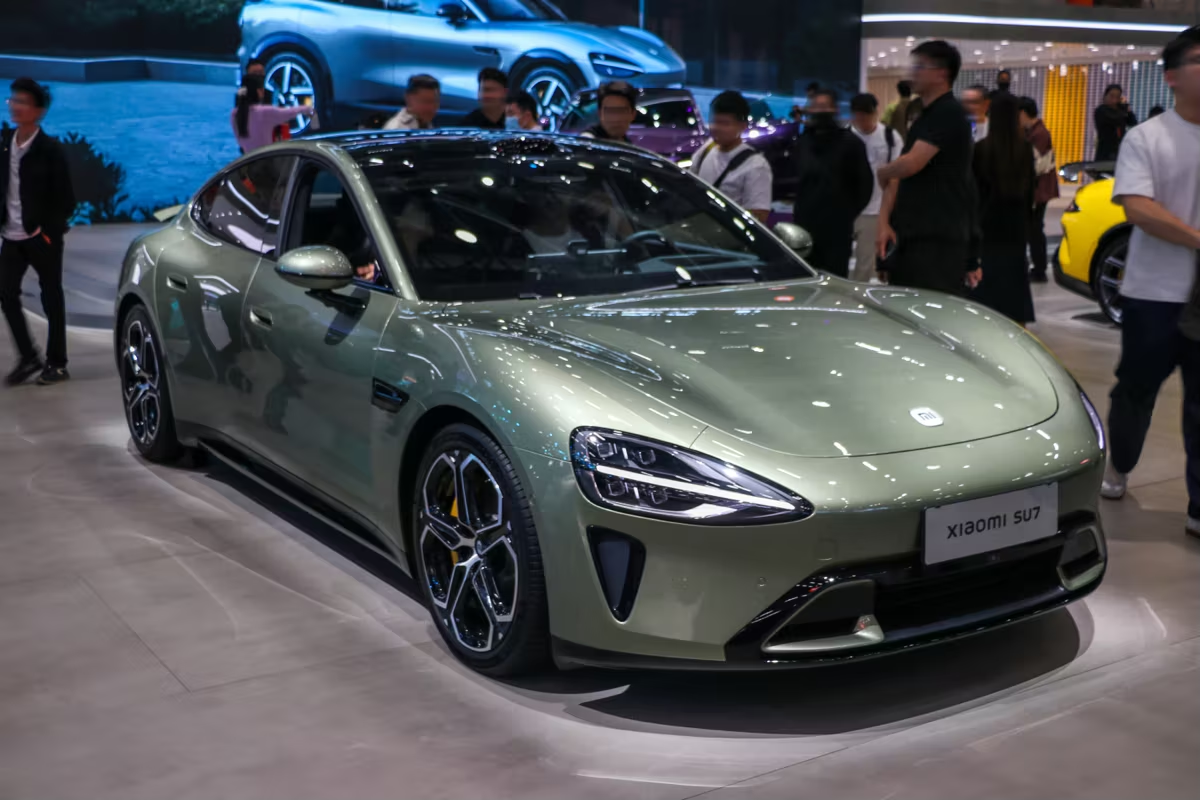
Xiaomi went from phones to outselling the Tesla Model 3 in China in three years. Inside the SU7, YU7 and why rival carmakers are nervous.
What AI really does in a 2026 car: the ChatGPT and Gemini voice assistants, the systems that drive, and the quiet software that saves you range and charging time. Hype versus what helps.
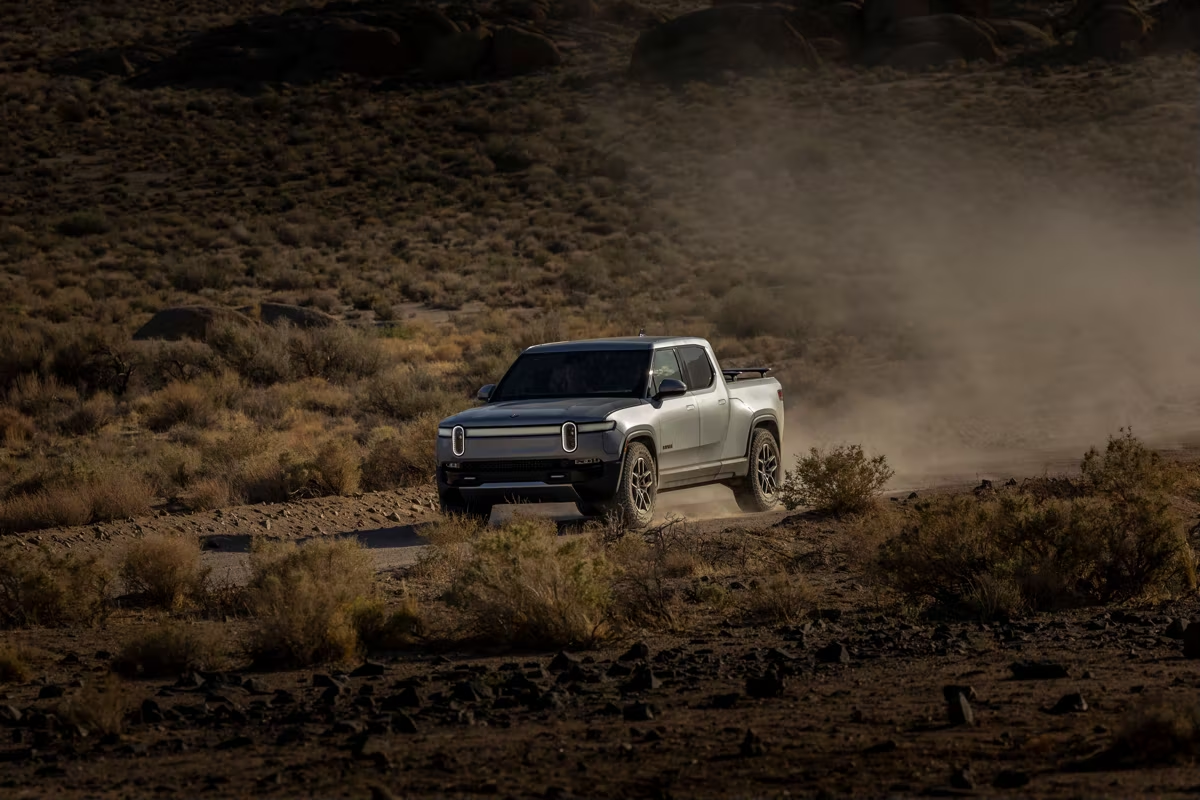
The cheaper Rivian is here. Up to 345 miles of range, 210 kW charging and a launch price near $57,990. What the R2 costs, how it drives, and how it compares to a Tesla Model Y.
EV batteries fade slowly and predictably, lose about 1.8 percent a year, and usually outlast the car. Real lifespan and degradation data, warranties, replacement cost, and how to make yours last.
BYD passed Tesla, Xiaomi sold over 400,000 cars in year one, and a dozen newcomers rewired the car industry. How they got so fast, the brutal price war at home, and why Europe is the next battleground.
The hybrid's obituary was written too early. In 2025 they were the quiet winners, with Toyota alone selling 4.4 million, while pure-EV growth cooled in the US. Here is what is really going on, and why Europe is different.
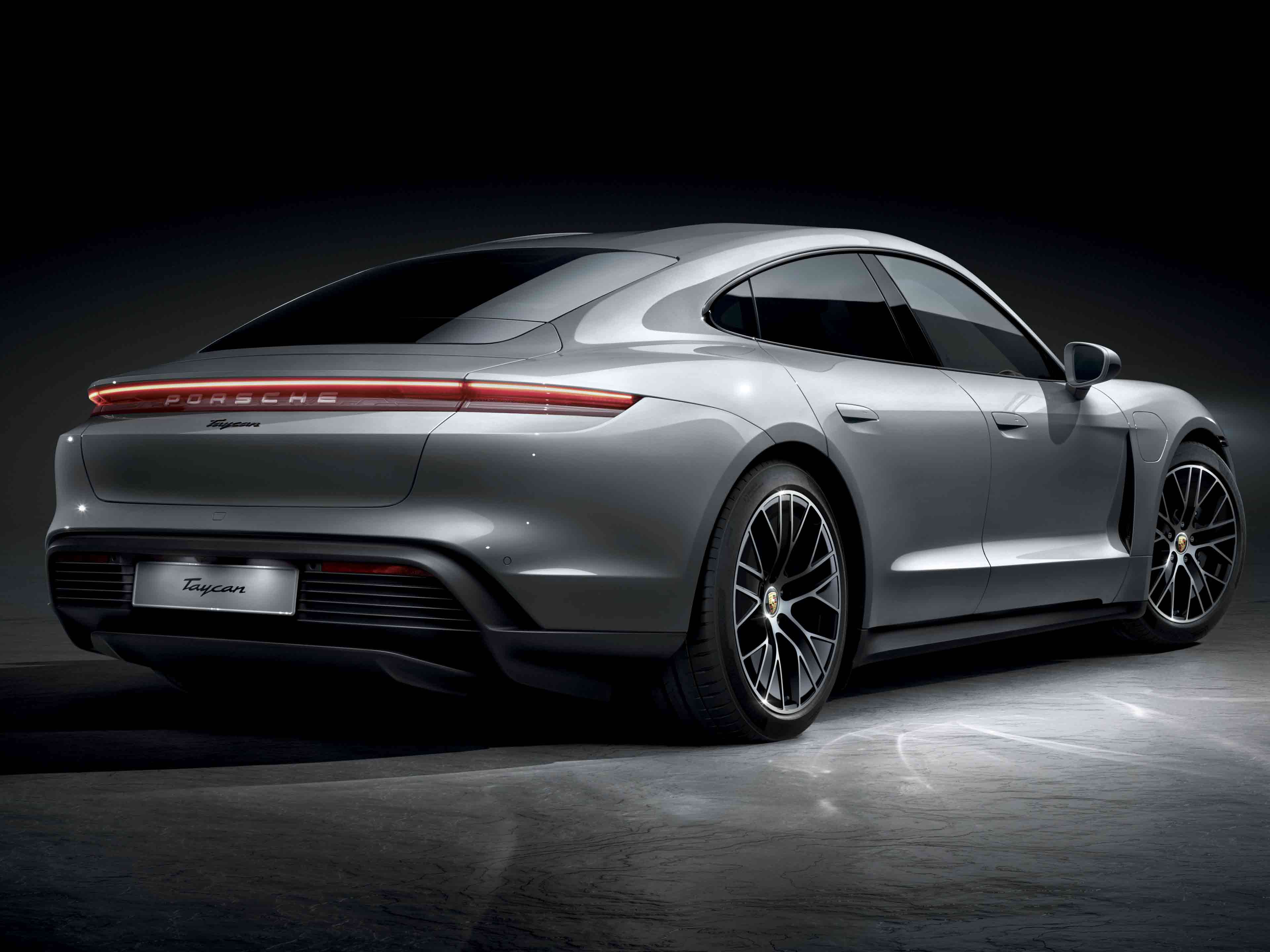
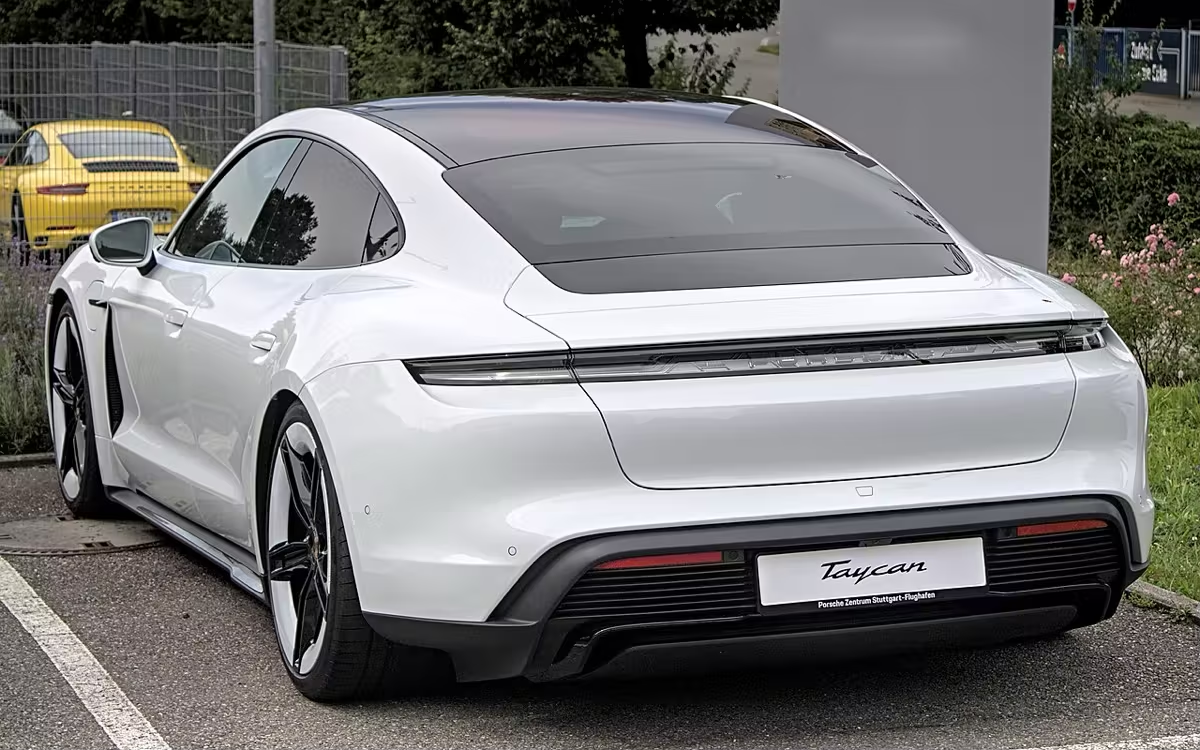
The EV spec war moved from 0-60 to charging speed, and 800-volt architecture is the answer. From the Porsche Taycan to Hyundai's E-GMP, why doubling the voltage matters and where the marketing gets slippery.
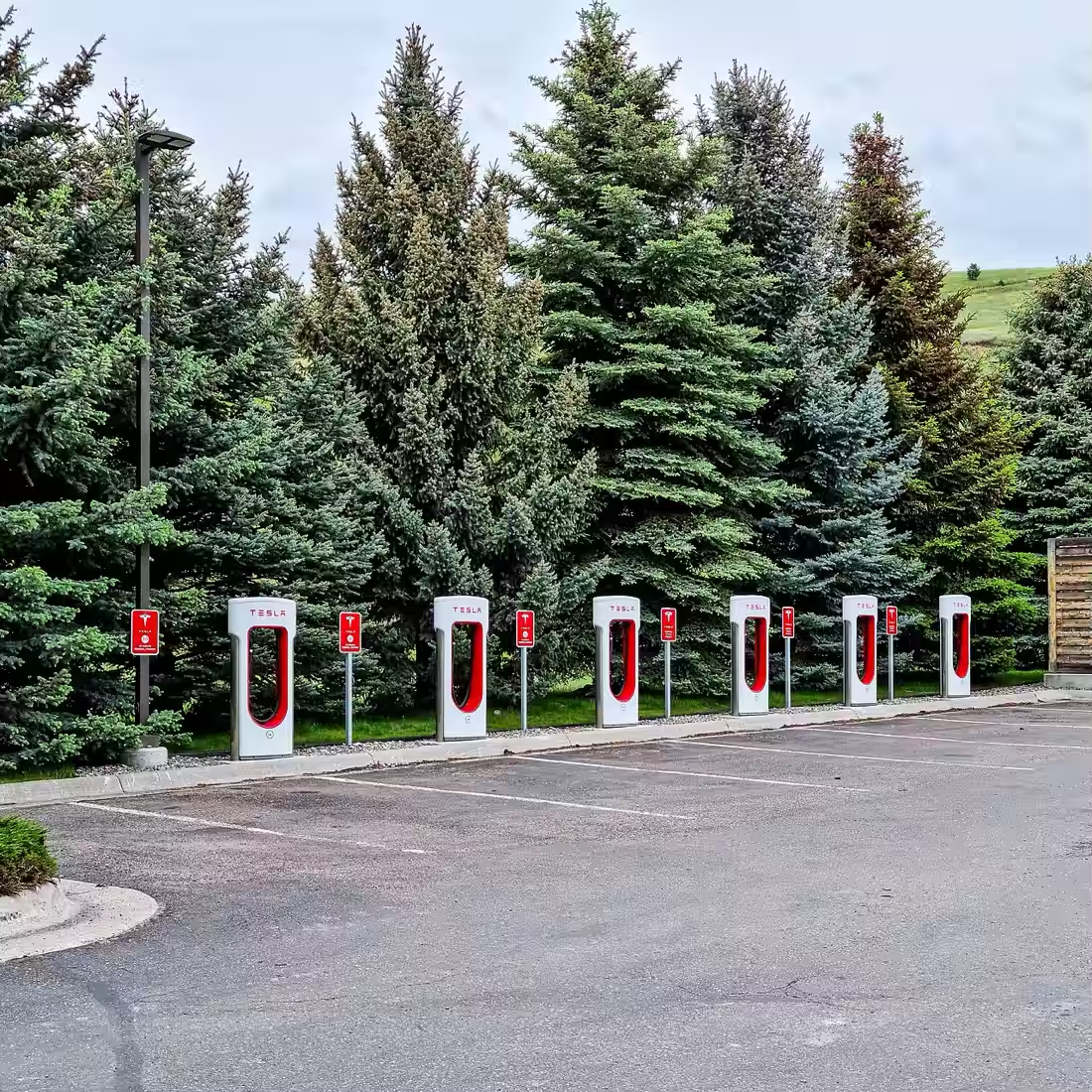
Tesla opened its charging connector in 2022 and, within eighteen months, nearly every automaker selling EVs in the US had adopted it. How the dominoes fell, why Tesla's plug won, and the catch nobody mentions.
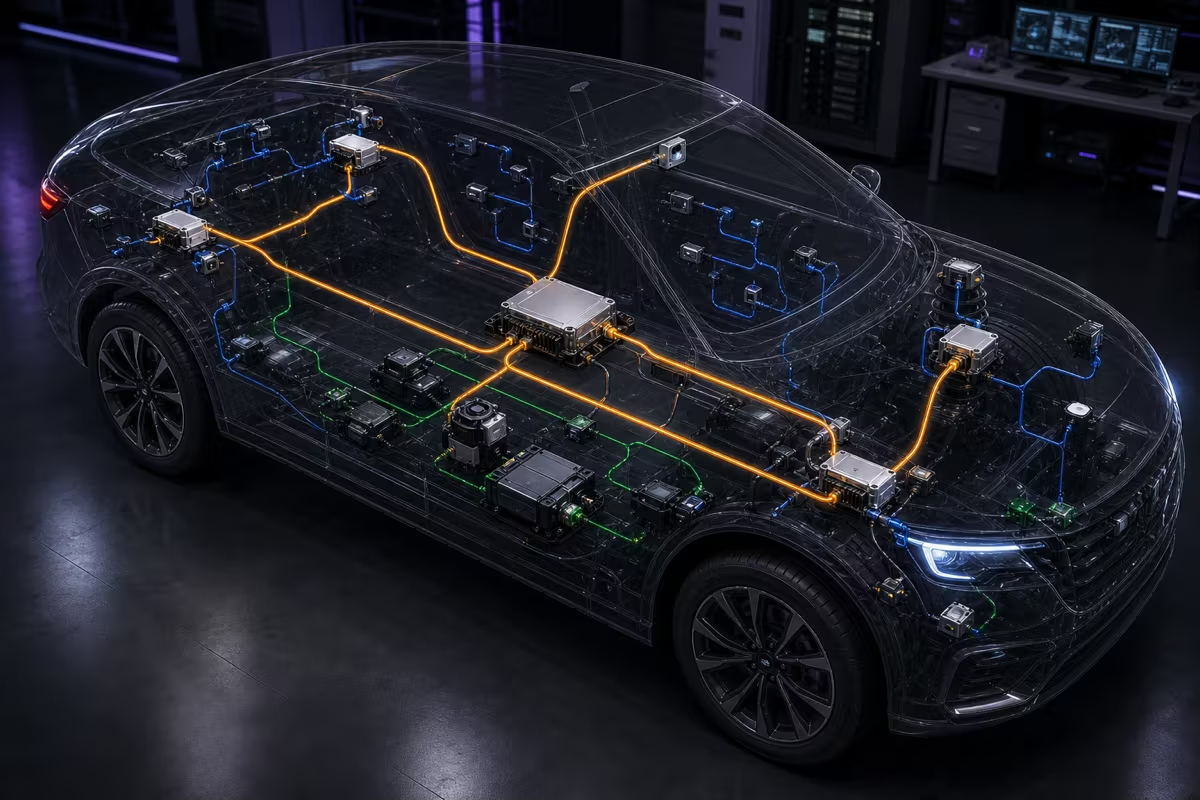
Why OEMs are moving to software-focused zonal electrical and electronic architecture, and why the shift is technically and economically tough.
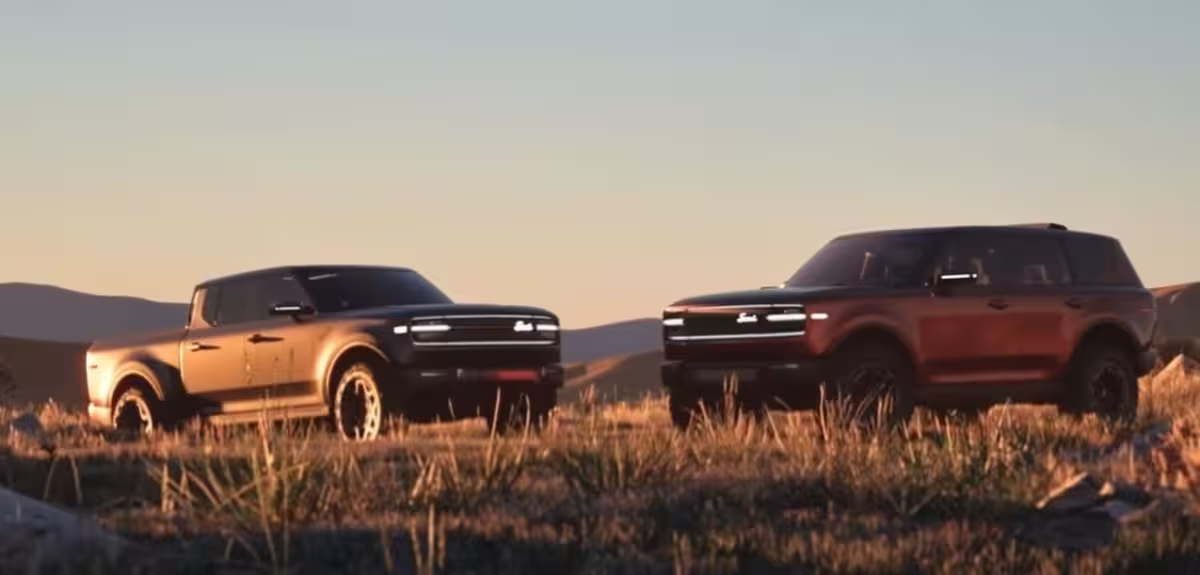
Volkswagen is reviving the Scout name as a body-on-frame electric truck and SUV with vehicle-to-load power. What it is, and whether it can take on Rivian and Tesla.
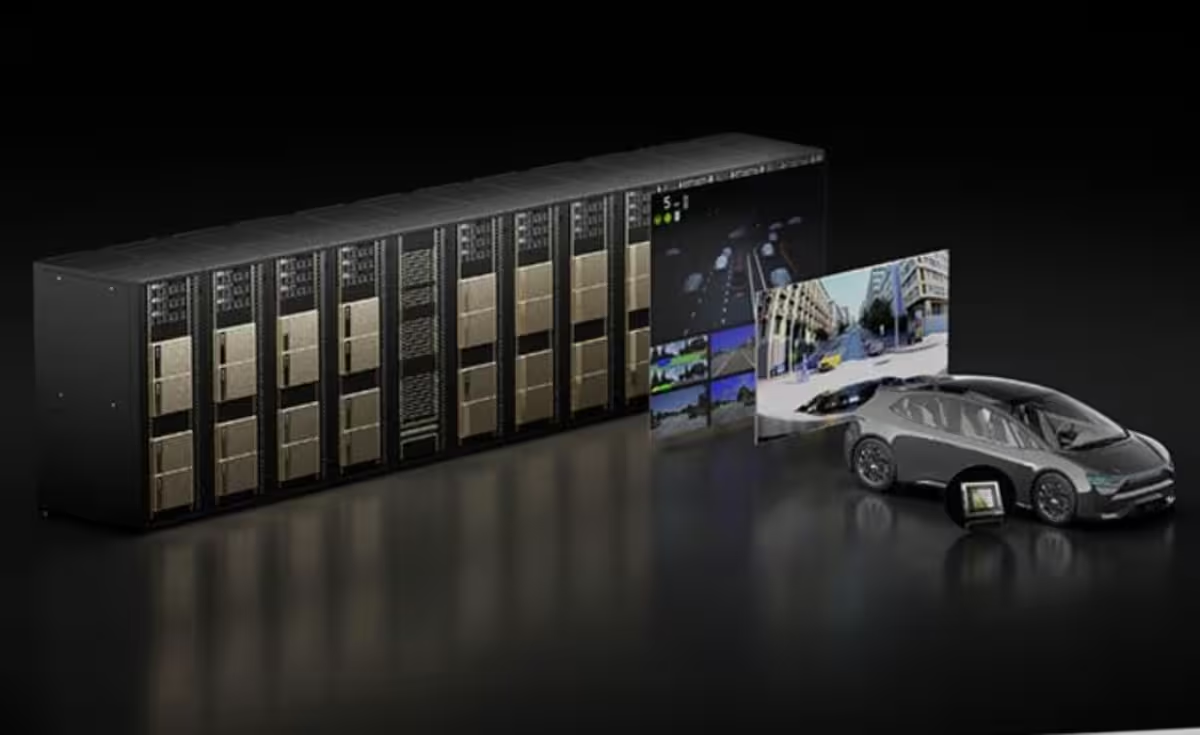
Nvidia supplies vehicle computers, base software, simulation and AI training systems. Here is what DRIVE Orin and Thor do, and what carmakers still own.
CATL, BYD, LG Energy Solution and Samsung SDI lead different parts of the battery market. Compare market share, chemistry and customers.
BMW, Mercedes-Benz and Tesla compared on CO2, energy, waste and recycling, with the numbers behind each claim and where the gaps still are.
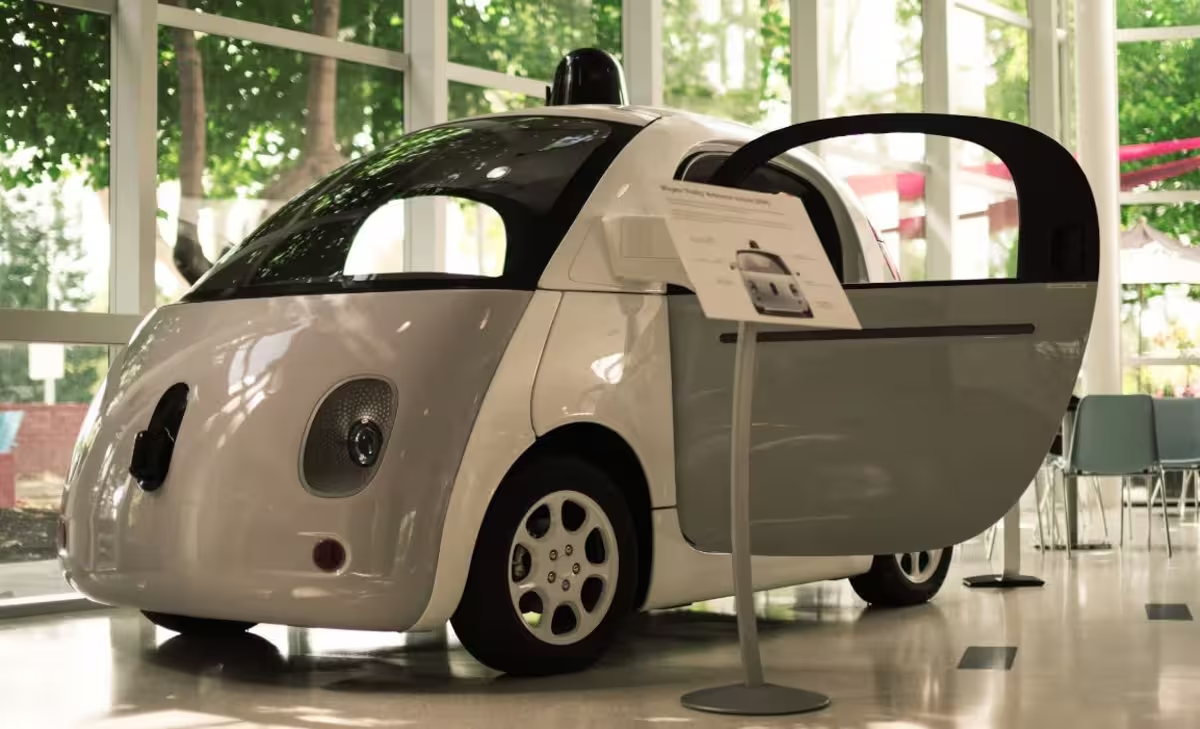
Waymo runs Level 4 robotaxis without a human driver in defined operating areas. See how the Waymo Driver works, where it operates and who owns it.
BYD builds its own cells, chips and a full model range, and it now outsells Tesla on plug-in cars. How the company works and where it goes next.
Rivian's R1T and R1S, the Amazon vans, the Volkswagen deal and the cash burn. What the numbers say about whether the truck maker makes it.
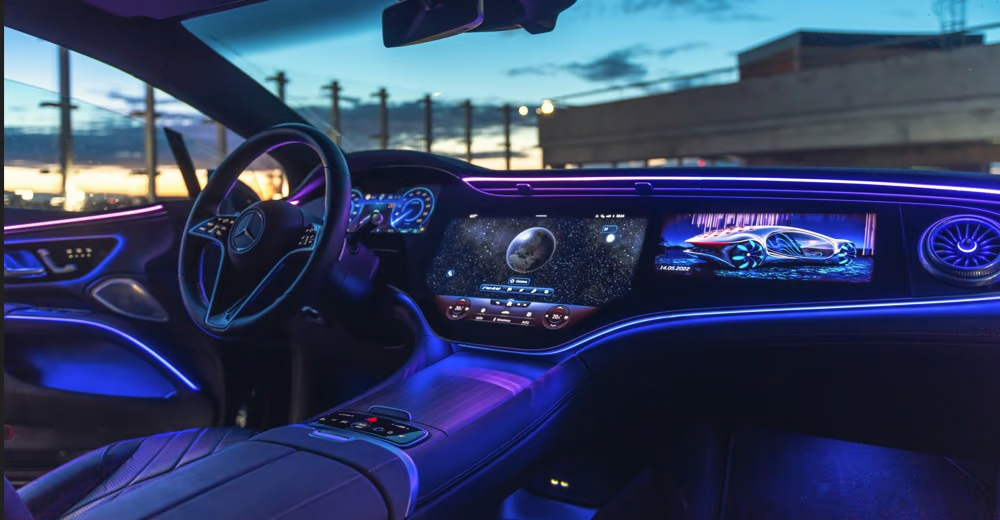
Mercedes sells the only certified Level 3 system you can buy; Tesla runs camera-only robotaxis in four cities. What each may legally do in 2026, and who is really ahead.
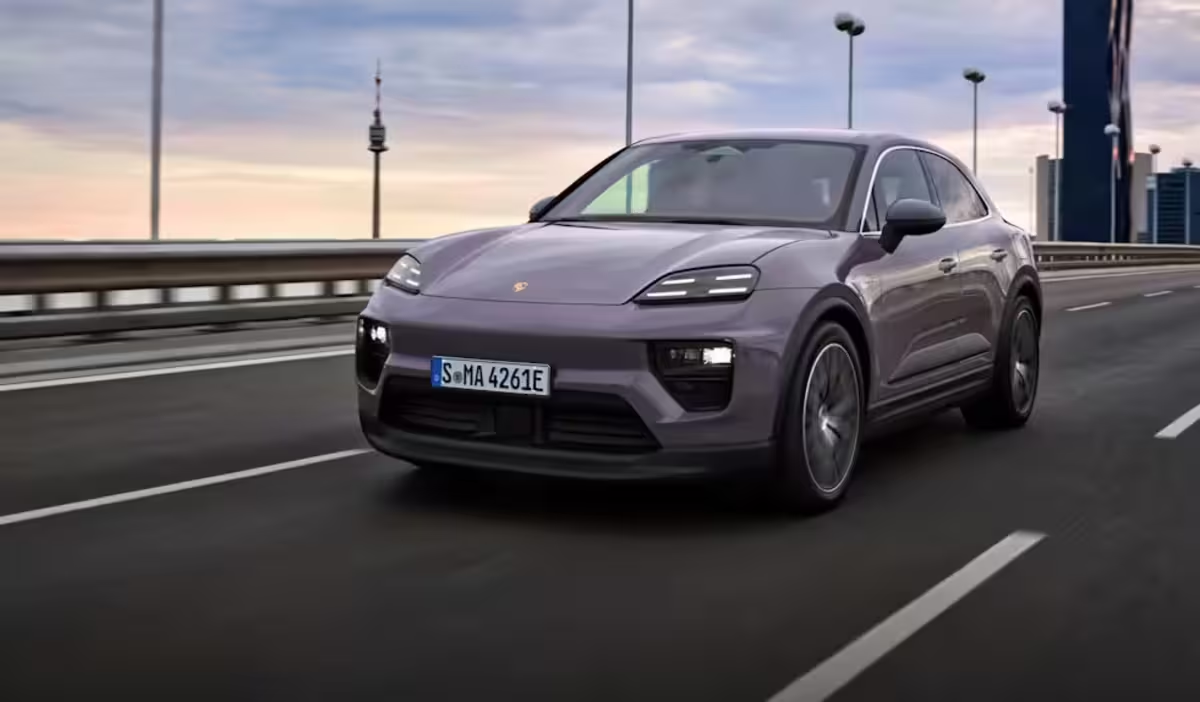
Porsche's first electric SUV on the 800-volt PPE platform: trims, real range, charging times, prices and whether to buy or lease one.
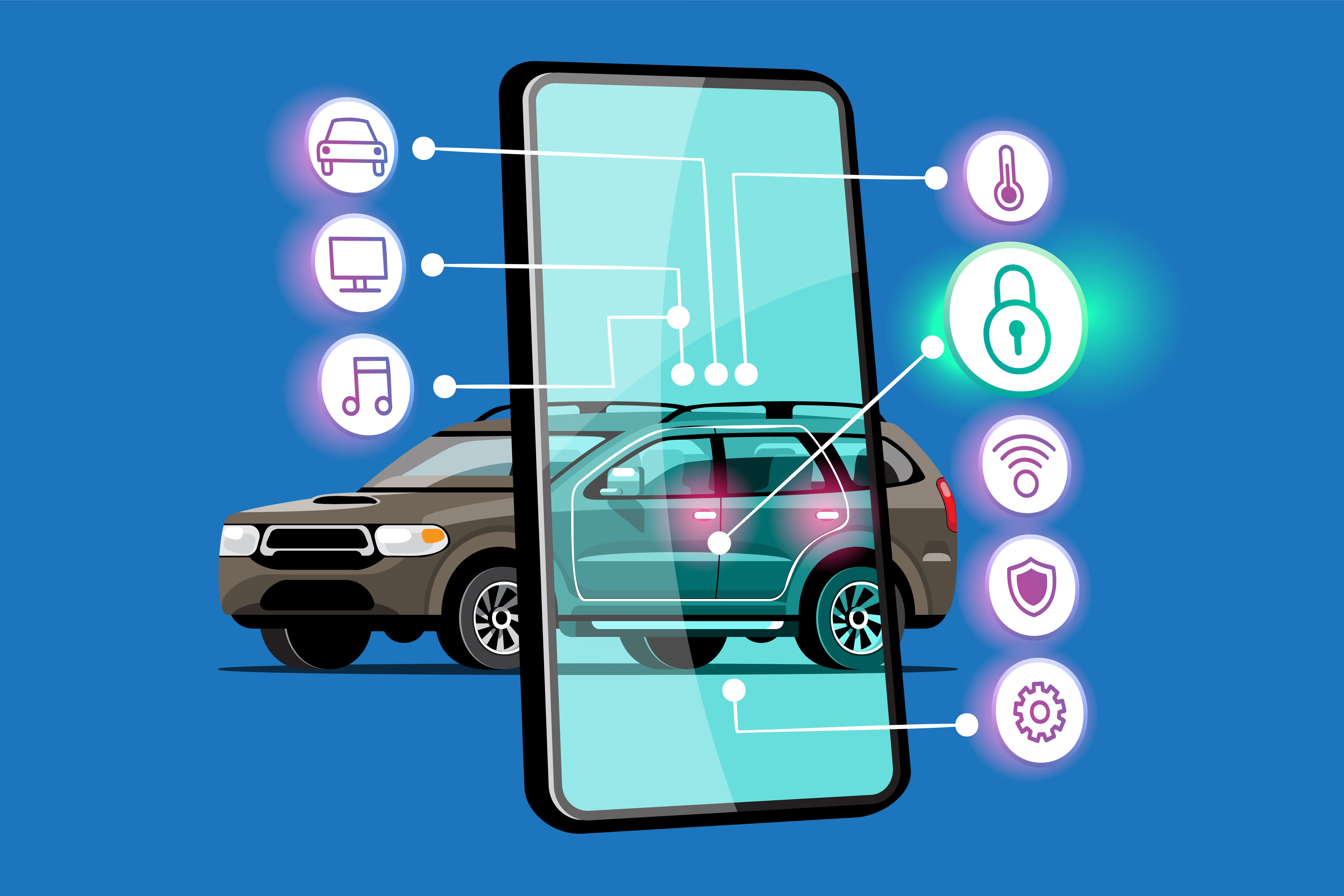
An SDV separates software from individual hardware boxes through controlled platforms and interfaces. OTA is one capability, not the full definition.
Charger counts, reliability data and build-out plans in the US and Europe, and what has to change for public charging to keep up with EV sales.
The SAE levels answer three questions: who drives, who supervises and who handles fallback. Compare Level 0 through Level 5 with real system types.
A vehicle programme moves from requirements through design, prototypes, validation, industrialisation and Start of Production. See the phases and release gates.
Self-driving cars run on machine learning: perception, prediction and planning. How AI turns camera and sensor data into driving decisions, and where it still struggles.
NIO's latest stations can replace a battery in about three minutes. The harder question is whether BaaS, standardized packs and station utilization can make the infrastructure pay.
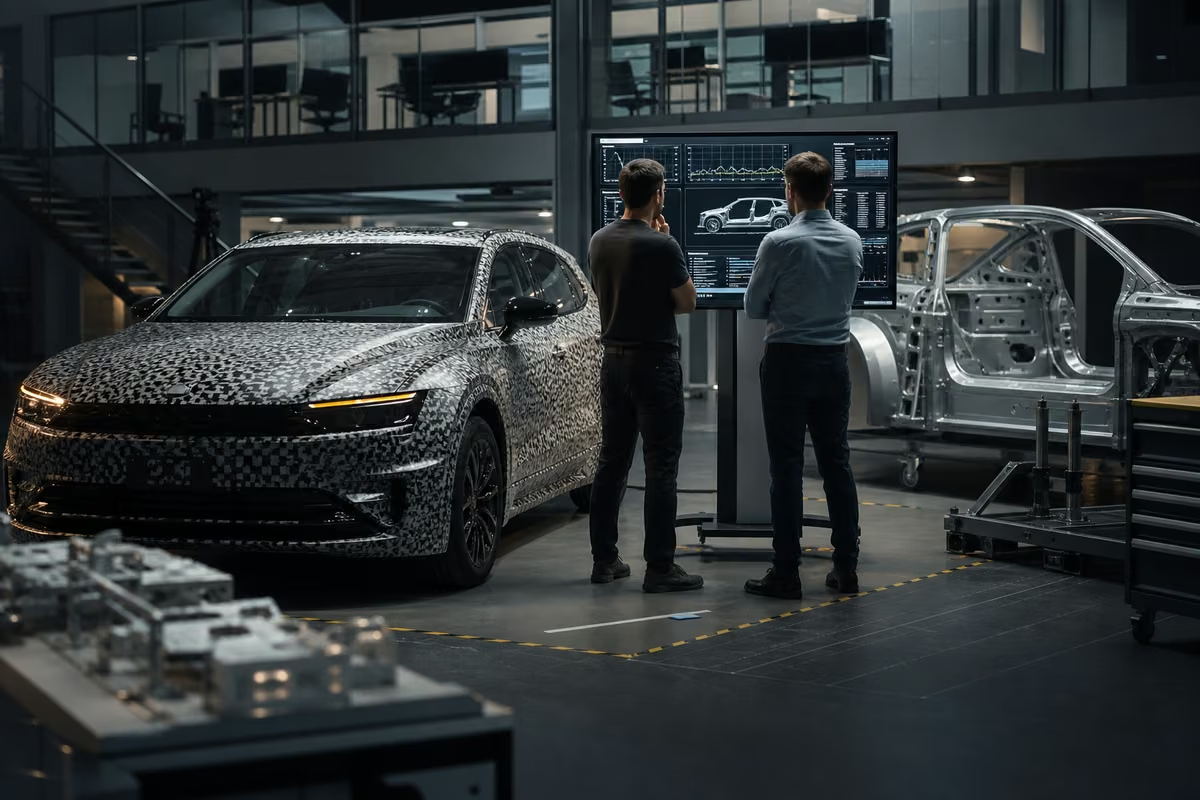
A car turns stored energy into wheel torque, then uses tyres, steering, suspension and brakes to control motion. This guide connects every major system.
The ten EVs that win on price, range, charging and everyday usability now that the credit is gone, from the $29,990 Leaf to the 450-mile Gravity, with the catch for each.
What it actually costs to charge an EV at home and in public, in the US and Europe, per 100 miles and per year. The math, the variables, and how it compares to petrol.
A rated 300-mile EV is not always a 300-mile road-trip car. Temperature, speed, elevation and the usable 80-to-10% window determine the distance that matters.
The monthly payment hides the real contest. Compare lease cash out, purchase depreciation, incentives and the years you plan to keep the EV on one timeline.
The electric G 580: four motors, a 116 kWh battery, the G-Turn party trick and a $163,000 price. What the icon gains and loses by going electric.
Can 5G make self-driving cars safer? How low-latency networks and vehicle-to-everything links could help, and why cars still cannot rely on a signal to drive.
Stainless steel, 48-volt wiring, steer-by-wire and a price near $80,000. The engineering that makes the Cybertruck clever, and the parts that do not add up.
Battery EVs deliver roughly 70-80% of grid electricity to the wheels. Green-hydrogen fuel-cell cars manage about 25-35%, which narrows their rational use cases.
Solid state is a family of electrolytes, not one miracle chemistry. Interfaces, pressure, yield and pack integration decide whether a laboratory cell becomes a durable car battery.
The Tesla Model 3 turned an EV into a default car. A business and marketing breakdown: who buys it, how Tesla sells it without ads, and what the industry learned.
BMW's 800-volt Neue Klasse changes the engineering baseline. Compare the iX3, i4, i5, i7 and iX, then see what the new architecture means for range and charging.
BYD against Tesla on batteries, prices, factories and global reach, and why the Chinese giant became the brand every automaker now benchmarks.
Get a regular compact and exciting summary of the EV world, in the only EV newsletter you need.
SubscribeFollow us on social media to always stay up-to-date, we are especially active on Pinterest! Or if you just fancy a direct chat, feel free to reach out at [email protected]